Tiffany C. J. Patterson
Released 25 Nov, 2025
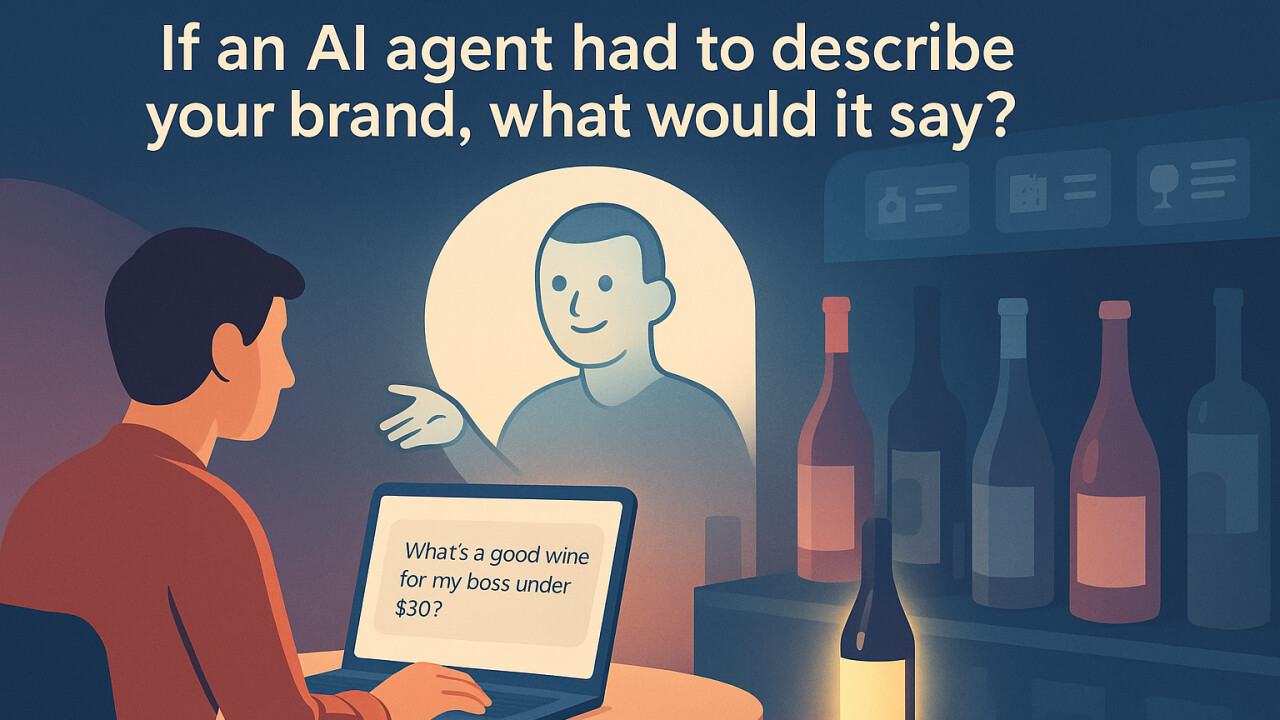
If an AI agent had to describe your brand to someone who has never heard of you, what would it say?
How to build trust in a world where your customer’s first contact with your brand is no longer a sommelier, a critic, or even your website – it’s an AI chatbot.
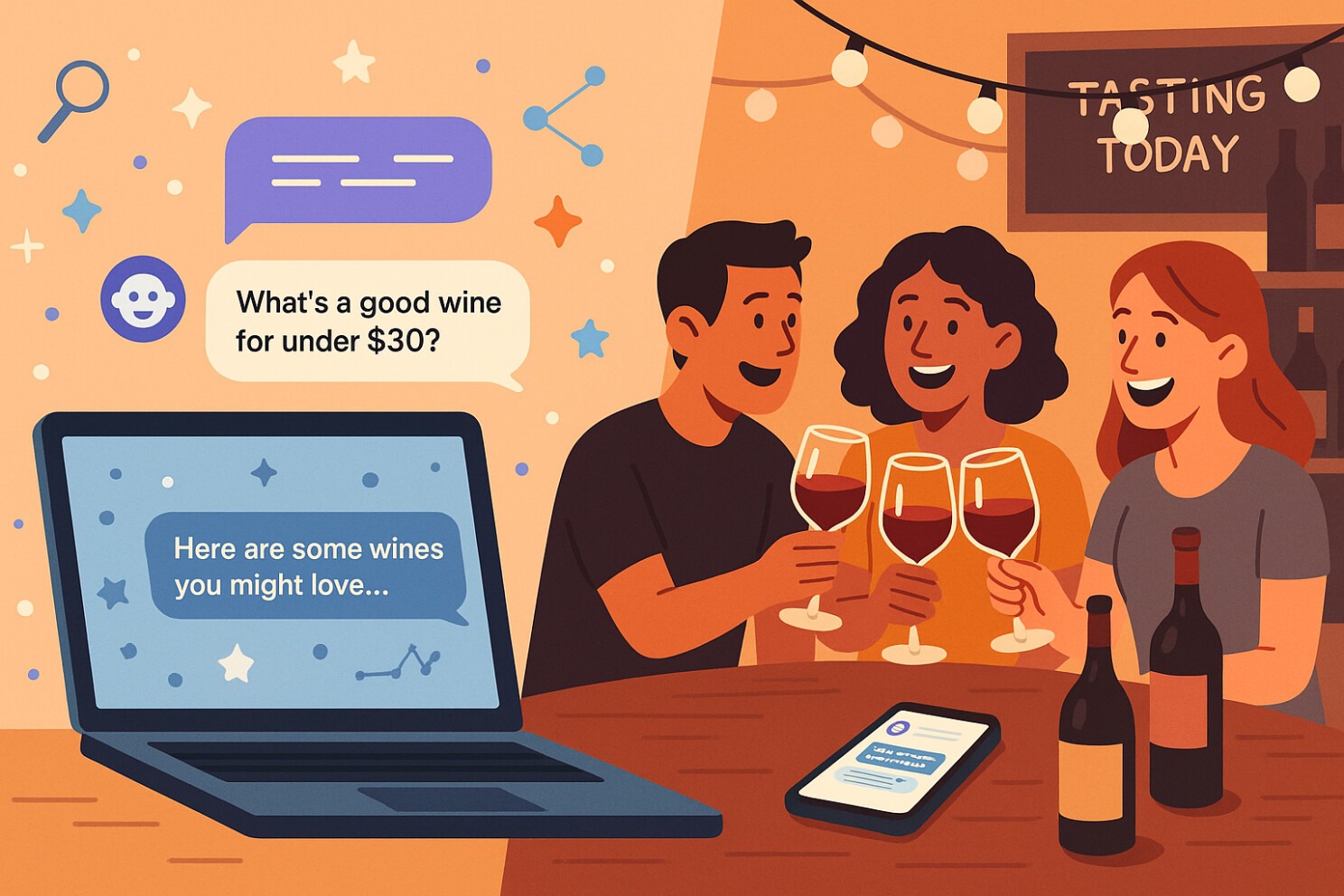
Whether we like it or not, a big part of the “front door” to wine is now mediated by AI. People are asking ChatGPT, Gemini or whatever tool sits inside their browser very simple questions like, “What’s a good wine for my boss under $30?” or “Where should I go for a wine experience in Porto?”
Long before they land on your Instagram, your website, or your cellar door, an AI agent has already filtered, interpreted, and framed what they see.
In other words, we are not just competing for shelf space or social media reach anymore. We are competing for how we show up in the answers.
This newsletter digs into that shift.
We’ll look at what happens when AI agents become a kind of invisible distributor of attention – recommending, sorting, and sometimes ignoring wine brands entirely.
We’ll talk about why clinging to old codes and inaccessible language doesn’t just confuse consumers, it also confuses the models that are trying to match real human prompts with real human experiences. And we’ll explore what it means to design your brand presence for a world where discovery happens across two layers at once: human and non-human, online and offline.
To do that, I invited Tiffany C. J. Patterson to write this edition.
Tiffany sits exactly at the intersection we need to listen to right now. She’s an interdisciplinary technologist, a published author, and a 2024 Napa Valley Wine Writers’ Symposium fellow. She brings a powerful Caribbean-American perspective to wine, tech, and culture – writing about exploration, displacement, language, and self-discovery in a way that feels deeply personal, but also incredibly relevant to where the wine world is heading.
Why we created Rethinking Wine
Rethinking Wine was born from a simple, uncomfortable realisation: the world around wine is changing much faster than the wine industry is. And yet, most of our conversations still circle around the same topics, in the same rooms, with the same people.
Rethinking Wine exists to break that loop.
We’re building a space where we can sit at the same table and ask better questions, together.
If you’re reading this, you’re already part of that rethink.
We’re now building a platform for this community, for people who don’t just want to watch the future of wine happen, but help shape it.
If that’s you, leave your email at www.rethinkingwine.app and come build it with us. Join a global group of people who are not waiting for someone else to fix the wine industry, but are willing to rethink it together.
What Gen AI means for the future of wine brand engagement
By Tiffany Chantál Janeen Patterson
According to a 2025 report published by Accenture, artificial intelligence (AI) agents are reshaping online marketing. The report’s survey data revealed that “83% of active gen AI users rely on AI when choosing a product/service” (Wright et al., 2025). Despite consumers’ trust in AI to make personalized shopping recommendations or complete purchases on their behalf, authentic brand connection remains a key factor in building loyalty. Achieving authentic connections in omnichannel engagement will now require wine brands to develop innovative marketing strategies that appeal to both AI and human consumers.
The wine industry is undergoing a necessary overhaul (Vitalone, 2025). While some brand owners lament these changes, latching onto the nostalgia of wine exclusivity and prestige, others are prepared to meet the evolving needs of consumers in a hyper-digital era. Regardless of the stance, wine brands should undergo an honest introspection to examine current marketing disconnects, roadmaps, and presence. And if you want to thrive in AI-driven marketing, you’ll need to learn how to appeal to the algorithm. Grasping the fundamentals of how consumers are using conversational AI chatbots to search for products and the high-level features of a large language model (LLM) will get you started, even without a degree or professional technical experience. At a simplified level, LLMs are the processing power behind conversational AI interfaces, which can be considered the dialogue and feedback layer. It’s essential to recognize the distinctions in sophistication between a chatbot plug-in one might encounter on a website and a conversational AI chatbot. The term “chatbot” is generally applied, and brands will want to understand how they’ll need to succeed in the contextual soup of the latter.
If the brand already has zero online presence or is unwilling to venture beyond search engine optimization (SEO), you’re toast, and not in a celebratory way. The rise of AI web browsers, such as OpenAI’s Atlas, is poised to disrupt traditional search engine marketing. Wine brands will need to optimize their marketing strategies for an AI ecosystem to ensure content is sufficiently captured and recommended through these models (Drenik, 2025). Experimenting with, choosing, and implementing the right AI tools can enhance how wine brands align with optimal AI mentions, which semantically pair a user’s prompt with publicly available online data (Handley et al., 2025).
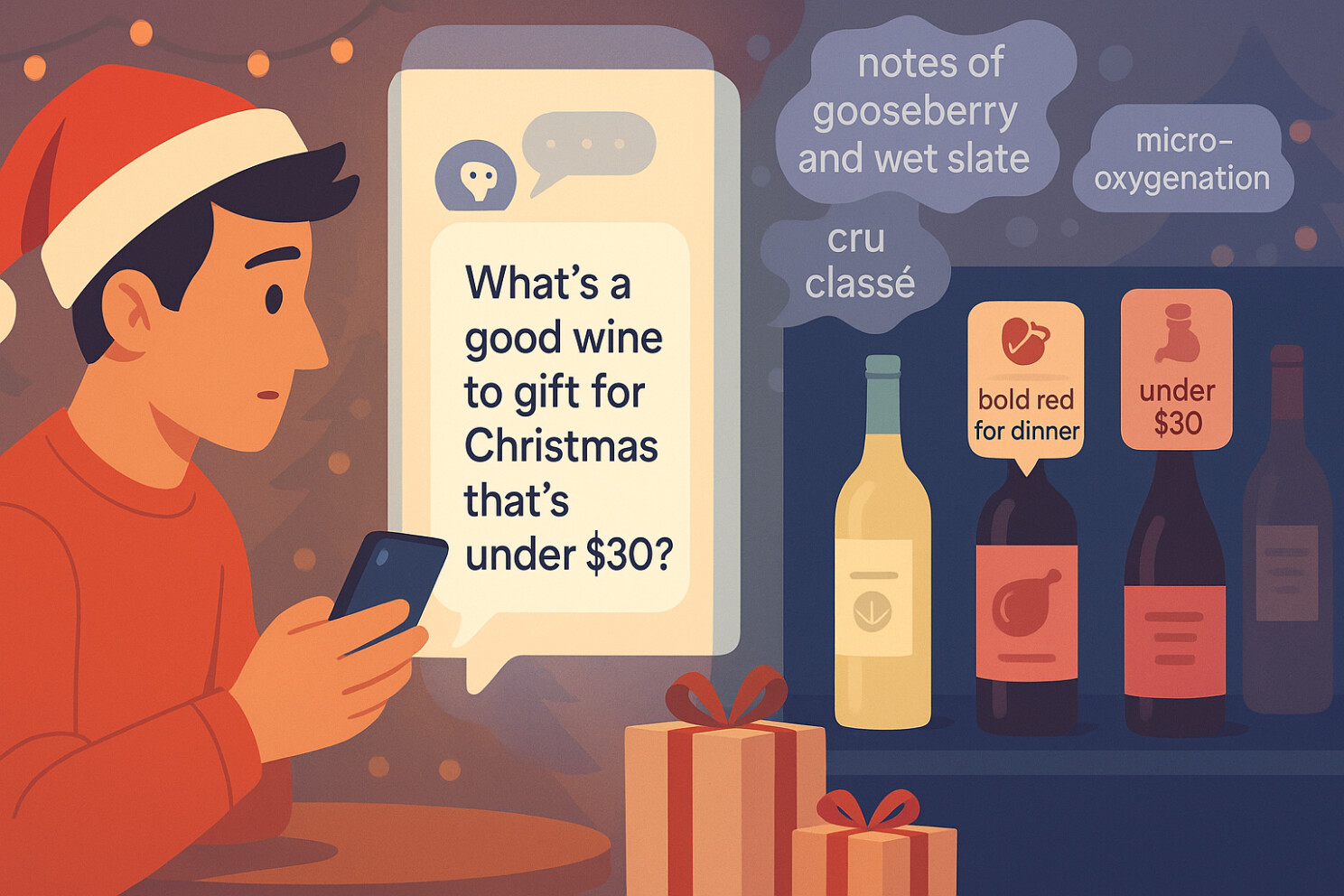
The wine industry’s tendency to cling to inaccessible language, if not mitigated, will likely result in a similar issue for generative AI (gen AI) tools. Using inaccessible language to describe products, wine tastings, or wine excursions risks limiting brand discovery due to a mismatch between user prompts (the language users actually use to request recommendations). The growing use of AI chatbots for product discovery will force wine brands to empathize with holiday guests or wine-curious individuals who lack an extensive wine vocabulary. These average users may be more inclined to prompt Google’s Gemini or OpenAI’s ChatGPT with the question, “What’s a good wine to gift for Christmas that’s under $30?”
Try experimenting with various chatbots using prompts based on typical customer inquiries. What results do they return? Which sources do they append to the results based on press mentions? What insights do those results reveal? How might these results serve as inspiration for revamping company content and press strategies? Driving engagement through gen AI isn’t about forcing you to erase your brand’s celebrated history; this technology requires you to change how you share that story.
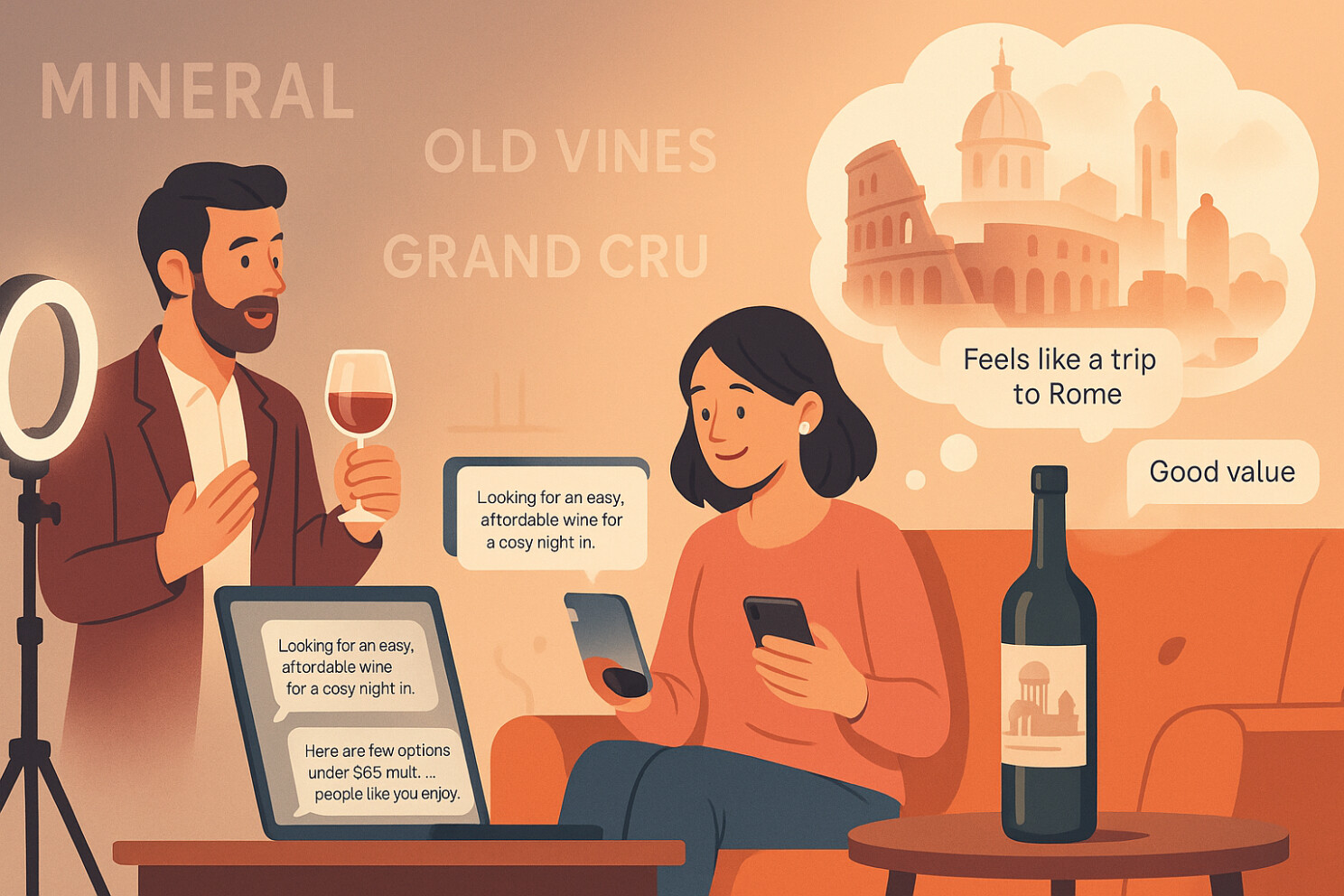
Wine influencers and writers may not entirely disappear; however, their persuasiveness is likely to wane as younger consumers increasingly turn to online reviews and social connections for recommendations (Hansen & Whalen, 2024). Consumers are seeking intimate resources—human and non-human—they can trust for insights (The Economist, 2025), and chatbots offer an intimate and personalized interactive experience that is often lacking in wine influence.
Fostering trust through transparency and authenticity means that wine brands must learn to accept the factors contributing to generational preferences, not as an indicator of one generation’s inability to appreciate tradition, but as their desire to find a modicum of happiness they can afford (Dingwall, 2025). Your brand’s tradition may be rooted in Rome, but a younger consumer’s product selection might be motivated by a dream of Rome.
Genuinely tapping into consumer empathy helps brands explore conversational scenarios where gen AI might recommend your brand’s product over another. Capturing the essence of these conversations and the conditions under which they might be held will help brands connect with users beyond tasting notes.
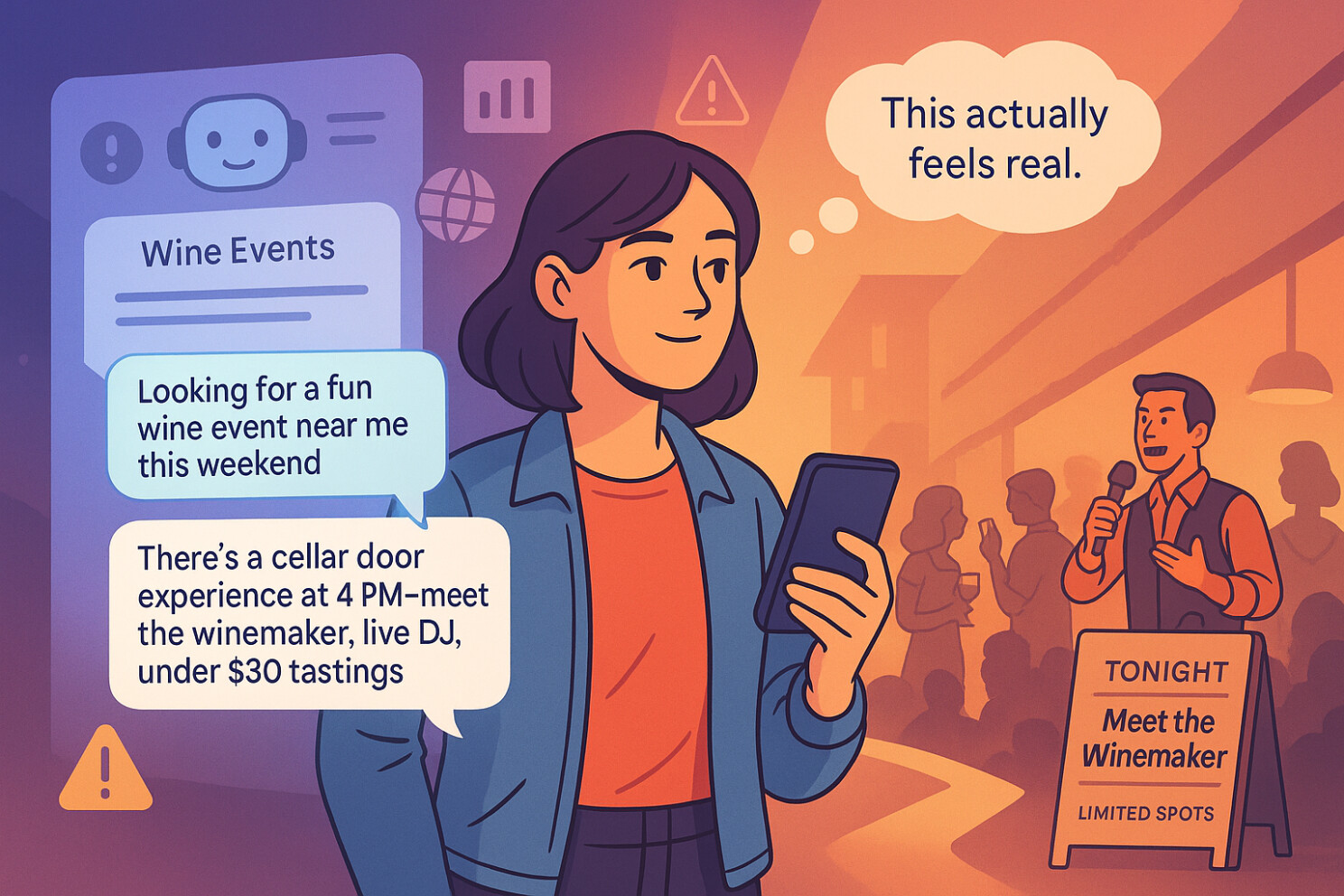
Don’t get me wrong, there are plenty of reasons to be skeptical about AI—from inherent biases to executional flaws. And while younger consumers are integrating AI into their lifestyles, a considerable awareness remains that AI doesn’t always get things right. Older Millennials are often grouped with Gen Zers, and the categories themselves encompass a broad range of age groups and relationships with the World Wide Web. Newsweek reported findings from a survey that highlighted these varying relationships with technology and the subsequent trust levels among younger generations (Blake, 2024). Yet, despite the reported concerns about AI, chatbots are becoming increasingly valuable tools for discovering brands that interact with consumers offline. Balanced engagement across online and offline worlds is key.
Gen Zers are reportedly gravitating more towards brands that use online engagement to drive offline interaction (Moore, 2025b). According to Forbes, the future of brand connection is shifting from the territory of digital influencers to event hosts (Moore, 2025a). For this reason, it’s imperative that wine brands audit, adapt, and unify not only their online identity but also their experiential marketing approaches. Consider how your brand might build a robust marketing funnel that increases traffic at cellar doors or other in-real-life (IRL) wine experiences through gen AI.
With continuous education and experimentation, brands can proactively build an agile and AI-enabled business prepared to adapt to the ever-evolving digital landscape. Change is never easy, but rising above the friction between the old and new reveals overlooked strengths.
Meet the Author
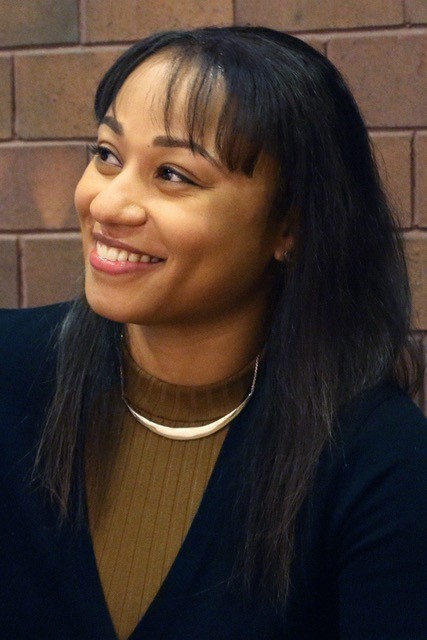
Tiffany P. is an interdisciplinary technologist, published author, and a 2024 Napa Valley Wine Writers’ Symposium fellow, bringing a unique perspective as a Caribbean-American to her work. Her writing delves into themes of exploration, displacement, culture, language, and self-discovery, offering a personal yet relatable narrative.
References
Blake, S. (2024, September 10). Gen Z Is Most Skeptical of AI: New Study. Newsweek. https://www.newsweek.com/gen-z-most-skeptical-ai-new-study-1951710
Dingwall, K. (2025, May 15). Gen Z’s Lackluster Drinking Habits Aren’t About Wellness—They’re Broke. Wine Enthusiast. https://www.wineenthusiast.com/culture/industry-news/why-gen-z-is-drinking-less/?srsltid=Afm BOorMhu0-bgfQCgDkrRHaEYxBmxVdo1YSLOfpXM_l-ff-StlO4VAK
Drenik, G. (2025, September 25). Redefining Brand Engagement In The Age Of AI. Forbes. https://www.forbes.com/sites/garydrenik/2025/09/25/redefining-brand-engagement-in-the-age-ofai/
Handley, R., Skopec, C., & Lahey, C. (2025, July 29). AI Mentions: How to Get LLMs to Mention Your Brand. Semrush Blog; Semrush. https://www.semrush.com/blog/ai-mentions/ ’
Hansen, P., & Whalen, R. (2024, December 16). Influencers… Losing Influence? Kornferry.com; Korn Ferry. https://www.kornferry.com/insights/this-week-in-leadership/influencers-losing-influence
Moore, K. (2025a, May 21). Gen Z Wants Real-Life Experiences—This New Agency Helps Brands Deliver. Forbes. https://www.forbes.com/sites/kaleighmoore/2025/05/21/gen-z-wants-real-life-experiences-this-new-agency-helps-brands-deliver/
Moore, K. (2025b, June 10). The Future of Influencer Marketing? IRL Experiences That Fuel Online Buzz. Viralnation.com; VIRAL NATION INC. https://www.viralnation.com/resources/blog/the-future-of-influencer-marketing-irl-experiences-that-fuel-online-buzz
Offerman, S. (2023, March 21). Generative AI will play a starring role in customer experiences. Adobe Blog. https://blog.adobe.com/en/publish/2023/03/21/research-generative-ai-will-play-starring-role-in-customer-experiences
PayPal Newsroom, & PR Newswire. (2025, October 28). OpenAI and PayPal Team Up to Power Instant Checkout and Agentic Commerce in ChatGPT - Oct 28, 2025. PayPal Newsroom; PR Newswire. https://newsroom.paypal-corp.com/2025-10-28-OpenAI-and-PayPal-Team-Up-to-Power-Instant-Checkout-and-Agentic-Commerce-in-ChatGPT
The Economist. (2025, October 27). The end of the rip-of economy. The Economist. https://www.economist.com/finance-and-economics/2025/10/27/the-end-of-the-rip-off-economy?utm_campaign=editorial-social&utm_content=discovery.content&utm_medium=social-media.content.np&utm_source=linkedin
Vitalone, V. (2025, March 4). Wine consumption is changing. The industry hopes new trends will help it survive. CNBC. https://www.cnbc.com/2025/03/05/wine-consumption-is-changing-the-industry-hopes-new-trends-will-help-it-survive.html
Wadhwa, V. (2024, October 18). The next wave of AI won’t be driven by LLMs. Here’s what investors should focus on instead. Fortune.com. https://fortune.com/2024/10/18/next-wave-ai-llms-investor-focus-tech/
Wright, O., Weiss, E., Leary, B., Blackburn, E., & Ducarre, J. (2025, June 4). Me, My Brand and AI: The New World of Consumer Engagement. Accenture.com; Accenture. https://www.accenture.com/us-en/insights/consulting/me-my-brand-ai-new-world-consumer-engagement