Tiffany Patterson
Released 15 Apr, 2025
In a world where wine tasting is too often reduced to elitist quizzes and rehearsed language, Tiffany reminds us that flavour is personal, wine is emotional, and belonging starts with listening. From the challenges of re-entering the wine world after chemotherapy to the quiet alienation felt in rooms full of “experts,” she shares her journey with radical honesty and creative brilliance.
But this isn’t just a personal story. It’s a call to action. A reminder that if the wine industry wants to grow, it must widen the table—not just for diverse backgrounds, but for diverse ways of feeling, tasting, and connecting.
Tiffany Patterson doesn’t just write—she transforms. As a 2024 Napa Valley Wine Writer’s Symposium fellow and Creative Technologist, Tiffany blends cultural insight, lyrical storytelling, and lived experience in a way that disarms, moves, and stays with you.
Her writing opens doors. For anyone who’s ever felt out of place in a tasting room.
She’s the kind of writer who doesn’t just make you see the wine world differently— She makes you feel it differently.diverse backgrounds, but for diverse ways of feeling, tasting, and connecting.
Tiffany Patterson doesn’t just write—she transforms. As a 2024 Napa Valley Wine Writer’s Symposium fellow and Creative Technologist, Tiffany blends cultural insight, lyrical storytelling, and lived experience in a way that disarms, moves, and stays with you.
Her writing opens doors. For anyone who’s ever felt out of place in a tasting room.
She’s the kind of writer who doesn’t just make you see the wine world differently— She makes you feel it differently.
We couldn’t think of a more powerful voice to help shape the future of wine communication.
After all this time… it’s finally happening.
I’m nervous. I’m excited. But more than anything, I’m grateful to be able to share this with you:
Beta testing opens this week.
If you’re already on the list, keep an eye on your inbox—we’ll be sending out exclusive, non-transferable invitations soon. This is your chance to help co-create the platform we’ve been dreaming about together.
If you’re not on the waitlist yet, now’s the time to jump in and see what we’re building at www.rethinkingwine.app.
I can’t wait to show you what we’ve been working on. And more importantly— I can’t wait to build the next chapter of this community with you.
Let’s rethink it. Together.
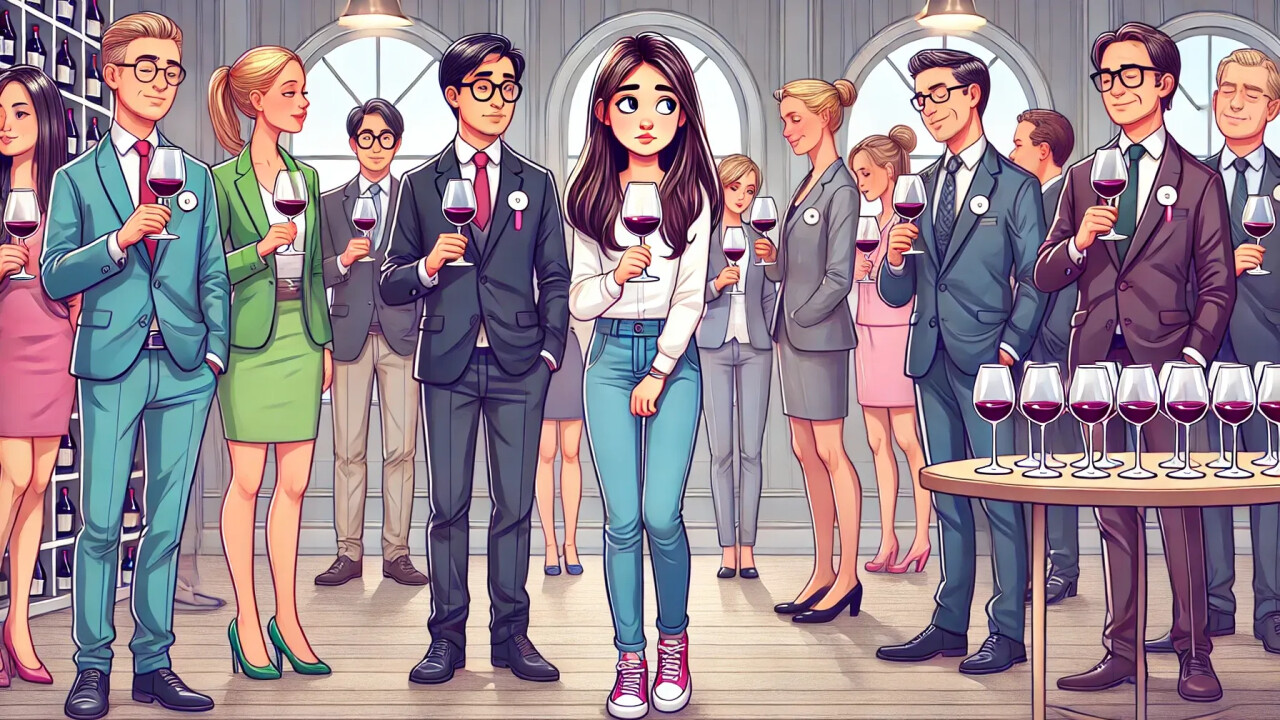
That uncomfortable feeling…
“Can you guess which wine and region this sample is from?”
The winery’s staff member searched my face with a hopeful smile.
But my expression stiffened. My previous excitement about being one of the few lucky fellows selected to participate in the Wine Writer’s Symposium began to drown in the wine that warmed my belly.
“No, I’m sorry, but I can tell you what I taste.”
I looked up to answer honestly, but shame stole my glance and pulled it downward. I couldn’t complete the tasting and decided to sit out on yet another scavenger hunt. I felt like a fraud.
The experience was all too familiar. Just a year before, I had participated in an evening of wine tasting and pairings, and the personable sommelier asked the group, “What flavors do you taste?”
I searched my tongue for flavors, the room full of contorting faces for clues, and then the champagne and sparkling wine lineup for information about where they had come from. Maybe I had tasted these before? Could I trace memories of when I had?
“I taste a crisp sweetness, almost a light pear flavor,” I responded, lacking the vino-lingua to describe the taste accurately.
“No, it’s not sweet! It’s dry!” one participant yelled, followed by a chuckle and what she thought was a whisper to her accompanying group: “She doesn’t know what she’s talking about.”
I was unsure if I didn’t know how to taste wine or if my chemo-altered tastebuds were deceiving me. Either way, I was crushed by embarrassment and avoided group wine tastings for some time.
After a medical diagnosis that prompted routine chemotherapy infusions, I took a break from wine drinking. However, upon returning to wine drinking after successfully entering remission, I had little confidence in attending tastings at cellar doors filled with wine experts.
In addition to having a different cultural background and palate, I was learning this new post-treatment body—finding feeling in its new skin, seeking clarity in an already neuro-diverse brain, and finding flavors in familiar foods.
So, I gravitated toward unconventional wine-tasting experiences that made me excited about trying new wines, discovering a new favorite wine, and breaking out of my shyness to converse with strangers who became equally vibrant from the sessions’ libations.
Unfortunately, as I read passionate pleas to uphold almost canonical-like wine-making and wine-tasting approaches, it feels as though I’m being told I’m an unwelcomed patron. And despite companies claiming (as corporate America has) that they believe in an inclusive approach to welcoming individuals of diverse backgrounds, I don’t believe many in the wine industry have genuinely explored or implemented inclusive experiences that aim to engage various patrons from neuro-diverse, diverse-abled, cultural, or other traditionally under supported identities.
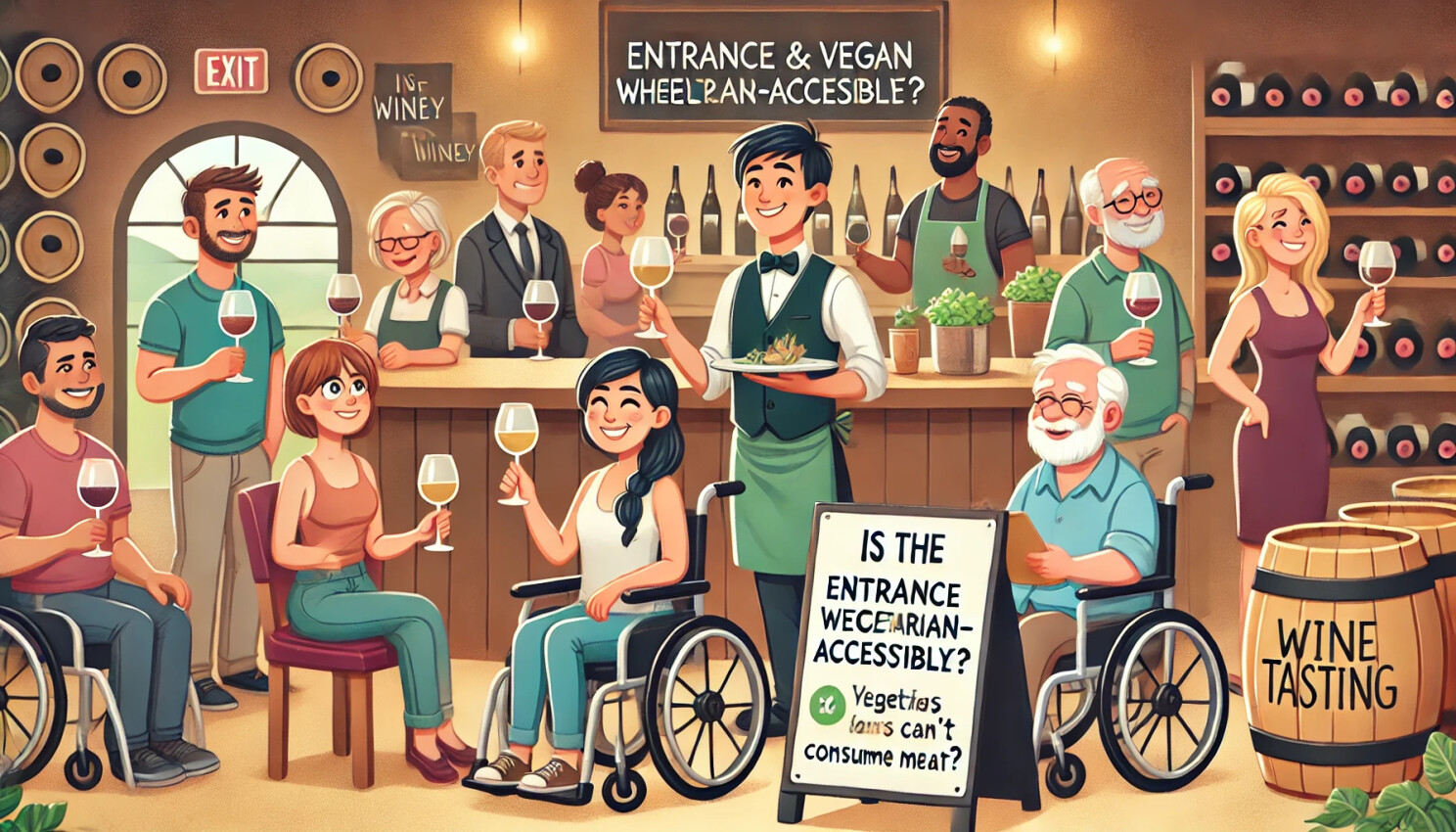
These efforts can start by asking, “Is the establishment’s entrance wheelchair-accessible?” or “Do I have vegetarian or vegan pairings for those who can’t consume meat?”
When you identify as an intersectional, under supported identity or require specific accommodations, some spaces become more challenging to navigate. I also acknowledge the challenges businesses face when figuring out how to include everyone at the table. However, change starts by employing empathy, and if you aren’t willing to welcome feedback that challenges your perspective, you’ve just made your job a lot harder.
We can do this together—business owners and patrons alike. So if you see someone like me at a cellar door who has become overwhelmed by stimulation and needs to step away for a moment to recharge or struggling to grasp a wine’s flavors because our way of tasting has been altered, it isn’t because we don’t appreciate winemakers’ hard work; these small observations are insights into what we need and aren’t receiving, and our determination to discern whether a lemon should be made into lemonade or left on a tree.
During lunch at the wine writing fellowship, a few board members advised me to embrace my “uniqueness.” Hearing about my experiences and ways of navigating this world described as unique rather than incorrect or strange made me quite emotional. The supportive leaders admitted that the industry needed to evolve but was resisting to its detriment.
But they also suggested that those who listen will be curious about wine-tasting experiences like mine. And creative business owners will experiment with ways—although through trial and error—to reach overlooked customer segments.
I responded to this sentiment that many of the ignored pitches I sent about finding flavor with an altered palate or cultural difference hadn’t landed well. I gave up on the idea that a wine magazine or winemaker would ever be curious about an experience like mine—until the fellowship included a visit to St. Stupéry, and I visited Australia (a few weeks later based on some recommendations from a fellow), where staff members curiously leaned into and asked questions about my perspective.
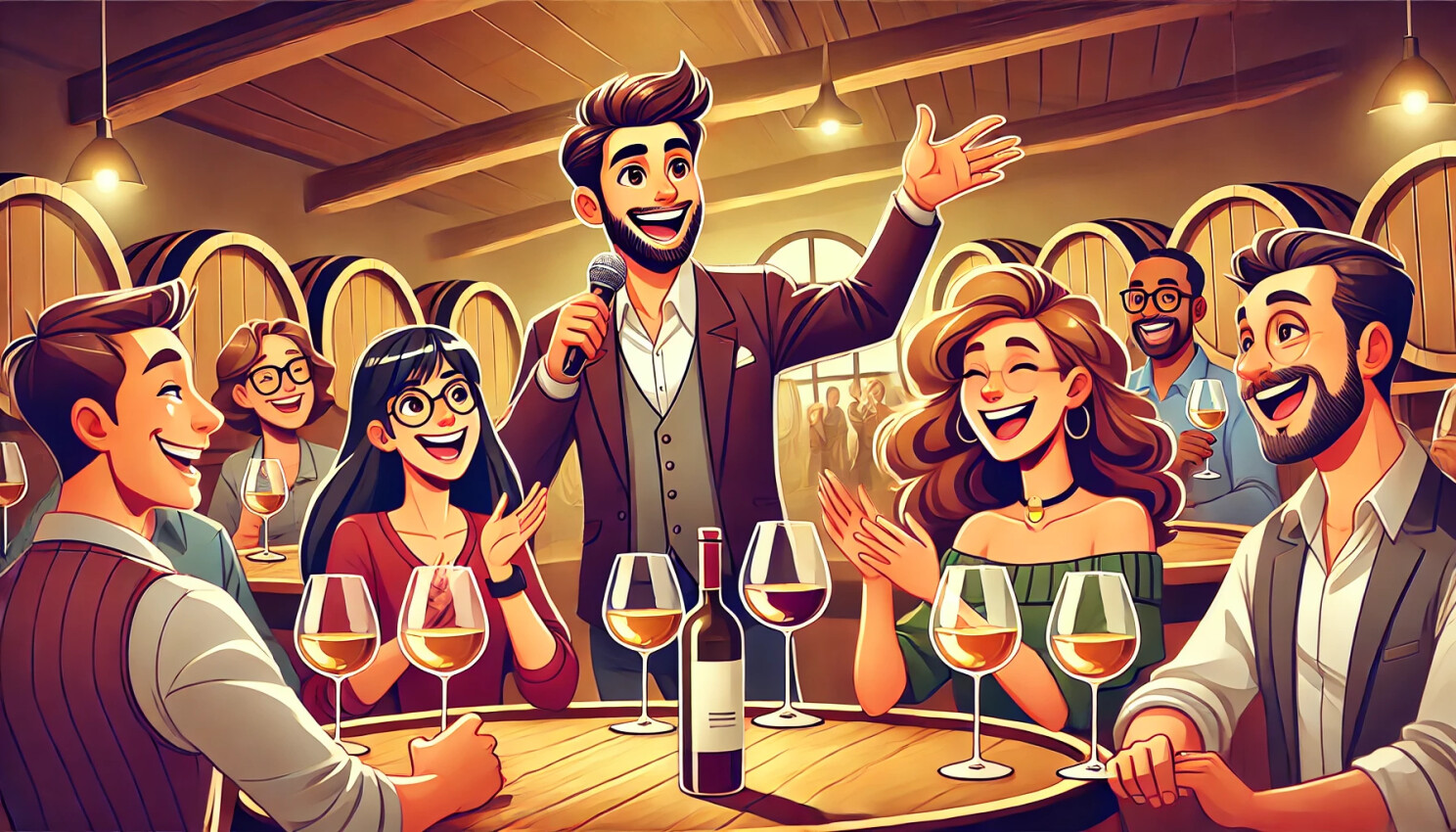
The staff listened, they asked questions, and they shared stories. They all reminded me that before wine became “complicated,” we drank over stories, laughs, and tears. It’s about bonding and genuine curiosity—finding inspiration for how your wine can continue to touch the lives of others for generations to come.
There’s enough room at the drinking table. How are you working to be a better host?
P.S. Want to know which Australian joints I visited that offered me a magical wine tourist experience? Eh, you’ll have to stick around for next time to read about the creative ways in which they unify their love for the beautiful outdoors and great wine.
Meet the Author:
Bio
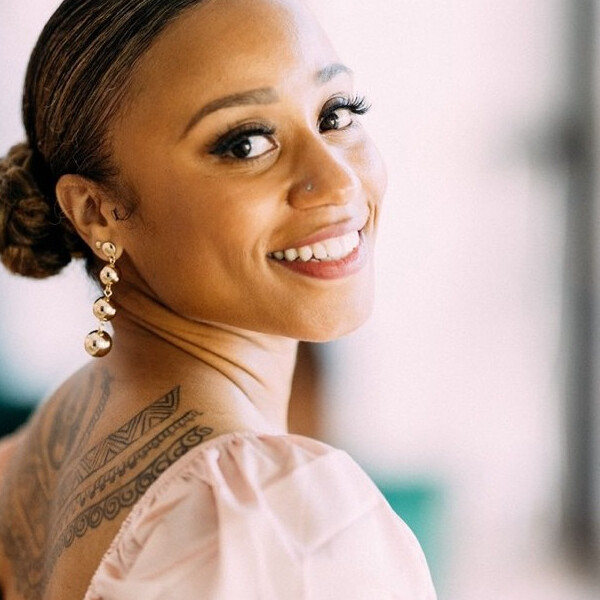
Tiffany C.J. Patterson—an interdisciplinary technologist, published author, and a 2024 Napa Valley Wine Writer’s Symposium fellow—brings a unique perspective as a Caribbean-American to her work. Her writing delves into themes of exploration, displacement, culture, language, and self-discovery, offering a personal yet relatable narrative.