Priscilla Hennekam & Dr. Allison Creed
Released 1 Apr, 2025
Over the past few years, I have learned that how the wine industry views wine, and how consumers view it, are very different. What if the very definition we created for wine, is holding the industry back?
While consumers are drinking less, exploring alternatives, and seeking alignment with their personal values, and other sectors—food, fashion, sport, tech—are evolving to meet these shifting expectations, wine continues to hold tightly to tradition.
This piece challenges that resistance. Through the lens of change theory, cultural dynamics, and cross-industry case studies, we explore whether one of the wine industry’s most deeply rooted beliefs—that wine must contain alcohol—is quietly holding back innovation and relevance.
I’m honoured to co-author this article with Dr. Allison Creed, Ph.D, a pioneering voice in wine education and communication.
Dr. Creed is a Lecturer and Learning & Development Specialist at the University of Melbourne. She collaborates with international research teams at the University of Amsterdam and Leiden University. Her work is grounded in a powerful idea: if language shapes how we experience wine, then the words and traditions we default to may also be limiting its future.
We hope this article sparks curiosity and dialogue—because this is a conversation the wine industry can no longer afford to avoid.
Let’s #rethink—together.
Thank you for being a part of the Rethinking the Wine Industry movement. Together, we’re uniting the diverse voices of innovators, changemakers, and disruptors from every corner of the wine world to create a more inclusive, sustainable, and forward-thinking future for the industry.
Our new platform is launching this year, and we want YOU to be a part of it. Explore what we’re building, and register your email today to secure your spot in the conversation from Day One. Let’s shape the future of the wine industry—together.
Click here: www.rethinkingwine.app
The Reality Check: People Are Changing Their Drinking Habits
The wine industry is facing a fascinating shake-up. Forget everything you thought you knew about wine culture—mindful drinkers are redefining the landscape. From full abstinence to hybrid (“zebra”) drinking—alternating alcoholic and non-alcoholic drinks—this shift reflects a growing demand for balance: a healthier level of indulgence, and without the hangover.
Fact checks:
-
IWSR consistently highlights the rise of moderation and health-conscious drinking.
-
A 2024 Gallup poll found that the share of younger adults who say they drink fell from 72 percent to 59 percent in the past two decades.
-
A 2024 NielsenIQ survey reported that 45 percent of Gen Z consumers older than 21 said they did not consume any alcoholic drinks in 2023.
How is the wine industry responding to this evolution in consumer behaviour. As a threat or an opportunity? Adapting and thriving? No, it’s sticking to guiding consumers towards premium, mindful drinking, where they enjoy fewer, but higher-quality beverages. It’s a safe approach—no change needed—and it’s also a subtle but effective push-back against the growing NOLO trend.
However, the time is ripe for NOLO.
The NOLO (No- and Low-Alcohol) category is gaining traction, refreshing the wine landscape by introducing new flavours and experiences that cater to evolving consumer preferences. In the U.S., participation rates in the no-alcohol category have doubled since April 2023, fuelled by Millennials and Gen Z.
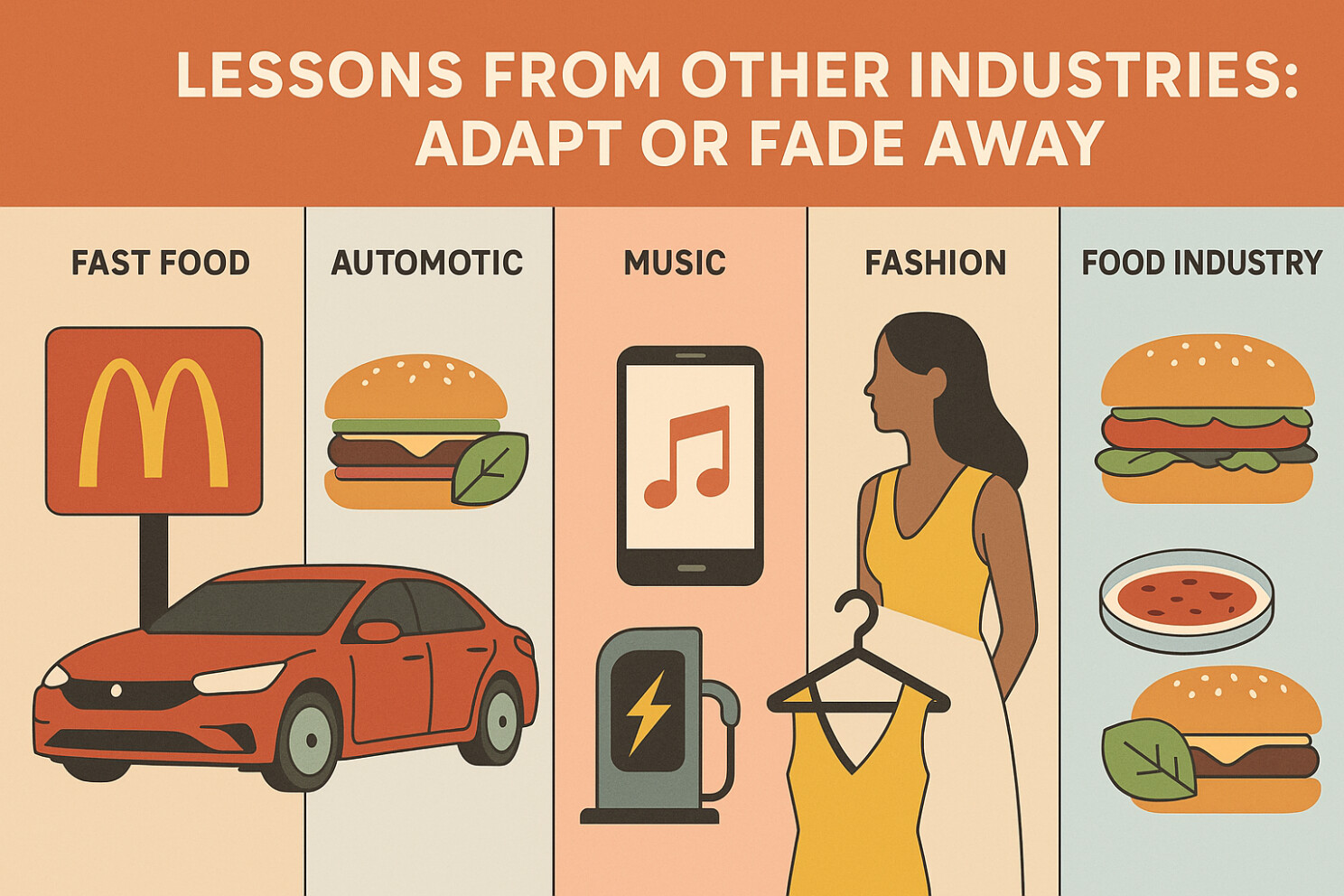
Lessons from Other Industries: Adapt or Fade Away
Industries that resist change don’t survive. Those that embrace transformation do.
Fast Food: McDonald’s didn’t fight the shift toward healthier eating—they introduced healthier options.
Automotive: Legacy brands didn’t dismiss demand for electric cars—they built their own.
Music: Streaming put power in listeners’ hands and those who innovated found new audiences and revenue streams.
Fashion: Consumer-driven brands like “Rent the Runway” have disrupted traditional fashion houses.
Food Industry: When people chose not to eat meat, the industry didn’t tell them to just “eat salad.” Instead, it expanded consumer choices—introducing plant-based burgers, lab-grown meat, and an entirely new category of products designed to meet the demand of vegetarians and “flexitarians”. Today, these alternatives are not just for non-meat eaters; they are embraced by a broad audience.
But What About Wine?
The wine industry has evolved in many ways—organic farming, biodynamic viticulture, sustainable packaging—but it has been slow to embrace NOLO as a serious category. Rather than seeing NOLO as a threat, there’s an opportunity to redefine the category on its own terms, much like how craft beer—even natural wine—have carved out their own identities.
Yet when people choose not to drink alcohol, the wine industry largely refuses to engage. Instead of embracing the challenge, NOLO wines are often treated as an afterthought, if not downright blasphemy.
The industry’s response? “Wine must contain alcohol. Without it, it’s not ‘real’ wine.”
Even in the wine education space, where growth and innovation in the no- and low-alcohol sector are acknowledged, the category is often side-lined. Educational bodies offer resources and events exploring NOLO wines, yet they still classify them as “wine-based products”—not wine in its own right—simply because the alcohol content has been altered.
It’s a subtle but powerful message: innovation is tolerated, but only within the limits of tradition.
Why?
If the food industry can create plant-based meat and dairy-free alternatives, why can’t the wine industry create alcohol-free wine without dismissing it as a lesser product?
Why is the wine industry capable of innovating in grape growing, winemaking techniques, packaging, and distribution, but refuses to innovate for those who don’t want alcohol?
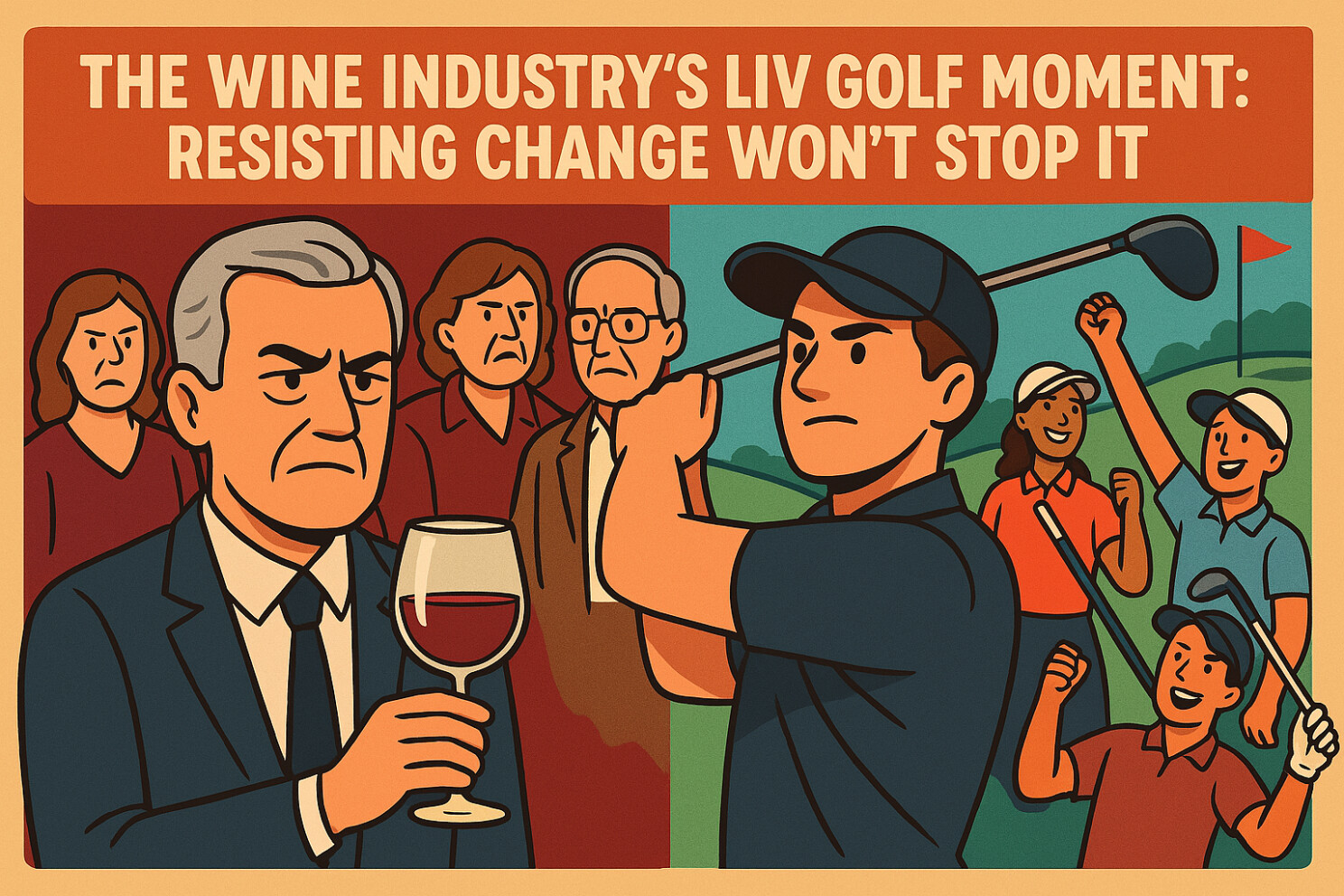
The Wine Industry’s LIV Golf Moment: Resisting Change Won’t Stop It
The resistance to NOLO wines isn’t just about taste or quality—it’s about tradition and control. The industry doesn’t just question whether alcohol-free wine is good—it questions whether it even deserves to exist. We’ve seen this before.
LIV Golf shook up professional golf with shorter tournaments, team-based play, and massive financial incentives. The PGA Tour didn’t welcome this innovation—it fought against it. Traditionalists dismissed LIV as “not real golf,” mocked it, and tried to shut it down.
But change doesn’t ask for permission.
LIV Golf injected fresh energy into a sport that was stagnating, attracting younger fans, new investment, and forcing the PGA Tour to #rethink its model. Eventually, resistance turned into negotiation, and the two tours had to find common ground.
By clinging to outdated definitions—“Wine must contain alcohol”—the industry is making the same mistake as the PGA Tour. Instead of recognizing the shift and innovating, it’s choosing to resist, dismiss, and mock a growing consumer demand.
But here’s the reality: change isn’t always a slow evolution—it accelerates when external forces demand it.
Think about how COVID-19 reshaped remote work. For years, research showed the benefits of flexible working, but corporations and universities resisted. It took a global crisis to force the shift. Now, despite efforts to drag employees back to the office, hybrid work remains deeply embedded in workplace culture.
The same could happen in wine.
Right now, the industry assumes it can outlast the NOLO trend, but it’s ignoring a fundamental truth: when cultural and behavioural shifts reach a tipping point, resistance doesn’t stop them—it just makes those resisting irrelevant.
LIV Golf found common ground with the PGA, not because the traditionalists wanted to change, but because they had to. Because in the end, tradition doesn’t decide what survives—demand does.
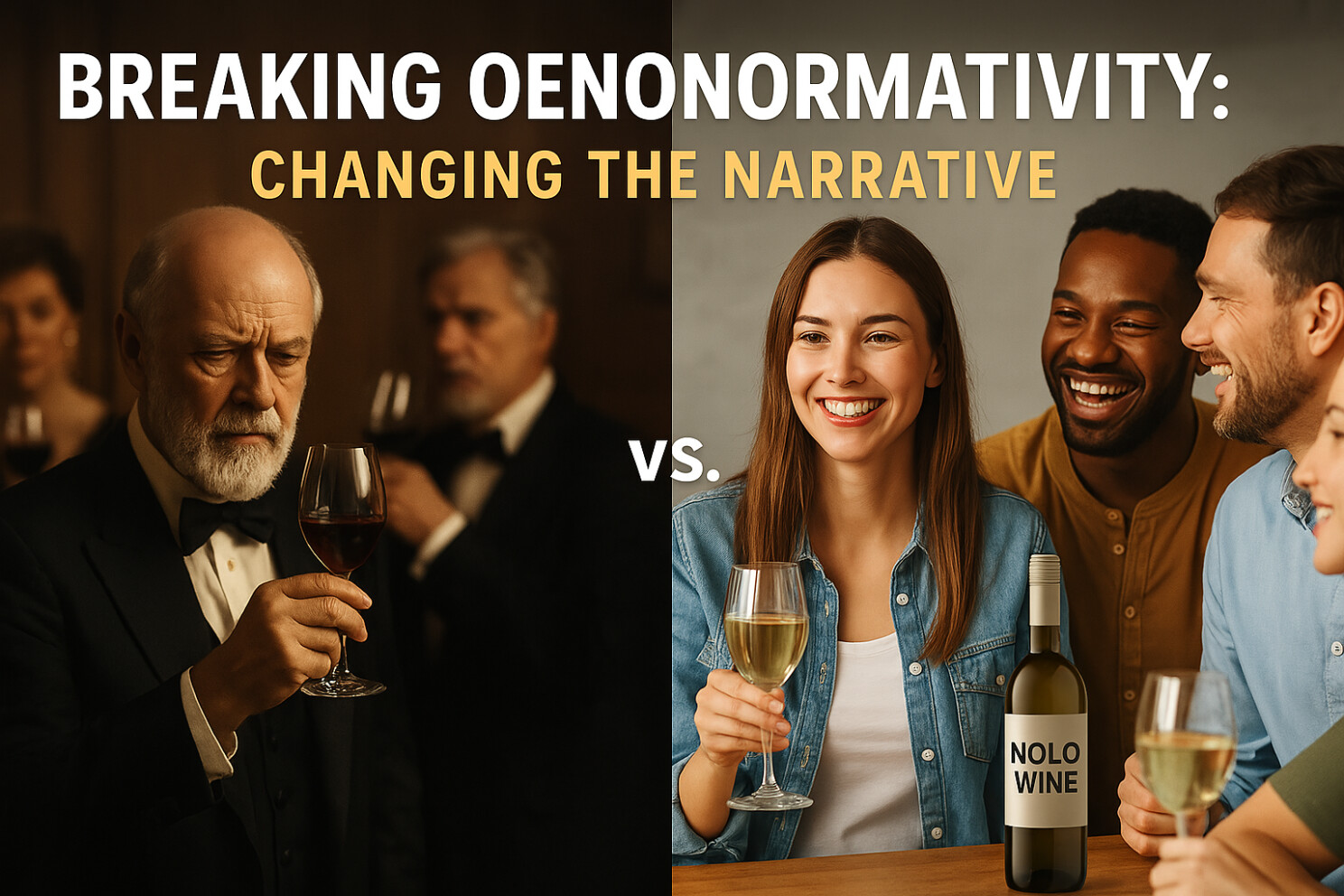
Breaking Oenonormativity: Changing the Narrative
Crafting a NOLO wine that meets consumer expectations is not just a technical challenge, it’s a cultural one. Producers and consumers still hold an ingrained bias in favour of ‘real’ wine, a phenomenon Allison Creed, Ph.D calls “oenonormativity”. This concept refers to the unconscious assumption that wine must contain alcohol to be legitimate. Oenonormativity is deeply rooted in social rituals, identity, and even status, making it difficult for NOLO wines to be embraced as equal alternatives. And winemakers are unconvinced, seeing NOLO as a deviation from tradition, fearing it may dilute wine’s cultural and sensory identity. Others worry about profitability, given the investment required to perfect NOLO production. This mirrors past industry disruptions, where initial resistance eventually gave way to mainstream acceptance once quality and demand aligned.
For example, screw caps were once dismissed by traditionalists as a cheap alternative to cork, with many arguing that they compromised quality and aging potential. However, as research demonstrated their benefits—such as reducing cork taint—high-end wineries began adopting them, and they are now widely accepted, particularly in markets like Australia and New Zealand.
NOLO and Change Management: What Can We Learn?
For many, drinking wine is not just about taste but about cultural rituals, identity, and even status. NOLO wines are challenging these ingrained beliefs and values, often leading to scepticism, resistance, or outright rejection. Overcoming this requires a shift in sensory expectations and re-framing, positioning NOLO’s not as substitutes, but as equally desirable alternatives that redefine what it means to enjoy wine. Think alcohol-free beer, caffeine-free coffee, and sugar-free cola. Shifts in people’s attitudes and behaviour don’t happen overnight. From a change management perspective, the rise of NOLO follows familiar patterns:
Awareness and Education: NOLO wines need a compelling story. But not just any story—one that goes beyond the usual industry script of quality and craftsmanship. Instead of just proving they can be well-made, they need to offer something deeper—a mission, a purpose, a lifestyle that makes consumers feel good about themselves. It’s not about making people appreciate the craft; it’s about making them see themselves in the movement. Most consumers don’t buy Nike because they understand the intricacies of shoe manufacturing—they buy it because Nike makes them feel like athletes. It’s not about the product; it’s about the identity and aspiration it sells. NOLO wines must do the same.
Overcoming Resistance: Many consumers and industry professionals still associate wine with its alcohol content. Framing NOLO as an intentional choice rather than a compromise can help shift perspectives. In fact, as global temperatures rise, wines from famous regions like Barossa and Chateauneuf-du-Pape are becoming increasingly alcoholic, just as consumers are moving away from excessive alcohol consumption. NOLO could be exactly what the wine industry needs to balance this.
Industry Adaptation: Retailers, sommeliers, and winemakers need to embrace NOLO options in a way that aligns with existing wine culture rather than positioning it as an outsider.
Investment in Innovation: Advances in vacuum distillation, AI-driven sensory science, and viticultural research could elevate NOLO quality and legitimacy.
Regulatory Support: Clarity around labelling, taxation, and marketing is needed to ensure that NOLO products are positioned responsibly without misleading consumers.

Marketing and Ethical Questions
Here’s where it gets interesting. Big alcohol brands are getting creative. ‘Addition marketing’—think Heineken 0.0—is all about expanding drinking occasions. Work meetings? Driving? No problem. But does this really reduce alcohol harm, or just normalise drinking in new settings? It’s a question we need to ask.
And in places with strict alcohol advertising, like Thailand, NOLO drinks are a clever loophole. Thailand’s stringent alcohol marketing regulations mean that brands often promote their non-alcoholic products as a way to maintain visibility in the market. This creates a complex regulatory landscape, where public health initiatives and corporate marketing strategies intersect.
New Consumption Rituals and Social Moments
The NOLO movement isn’t just about removing alcohol—it’s about redefining drinking rituals. What if alcohol-free wines were paired with moods, experiences, and occasions?
Instead of being boxed into traditional food pairings, NOLO wines could be matched to different emotional states and social settings—a refreshing, citrusy NOLO wine for creativity and brainstorming sessions, a deep, structured one for reflection and unwinding, or a vibrant, effervescent option for high-energy celebrations.
Could NOLO wines become the go-to choice for daytime relaxation, corporate gatherings, or wellness retreats? Could there even be a hidden market with herbal additives, such as Ginseng?
The Future Belongs to Those Who Innovate
Fighting to preserve the past drains energy. Building something new creates progress.
The NOLO market isn’t just a fad. It’s a reflection of a bigger shift towards mindful consumption. For the wine and hospitality sector, this means:
-
Embrace innovation: Invest in NOLO options that deliver on taste and experience.
-
Rethink marketing: Focus on value and lifestyle, not just the absence of alcohol.
-
Advocate for clarity: Support regulations that balance public health—physical and mental wellbeing—with industry growth.
-
Invest in more research: As the industry evolves, could viticultural research identify grape varieties better suited for NOLO wine production?
Consumers are demanding change. The question isn’t whether NOLO will succeed—it’s who in the wine industry will have the courage to lead the way.
If the food industry could evolve for vegetarians and the golf world could embrace change, why can’t the wine industry?
The world is moving forward. Will you move with it, or be left behind?
Meet the Authors:
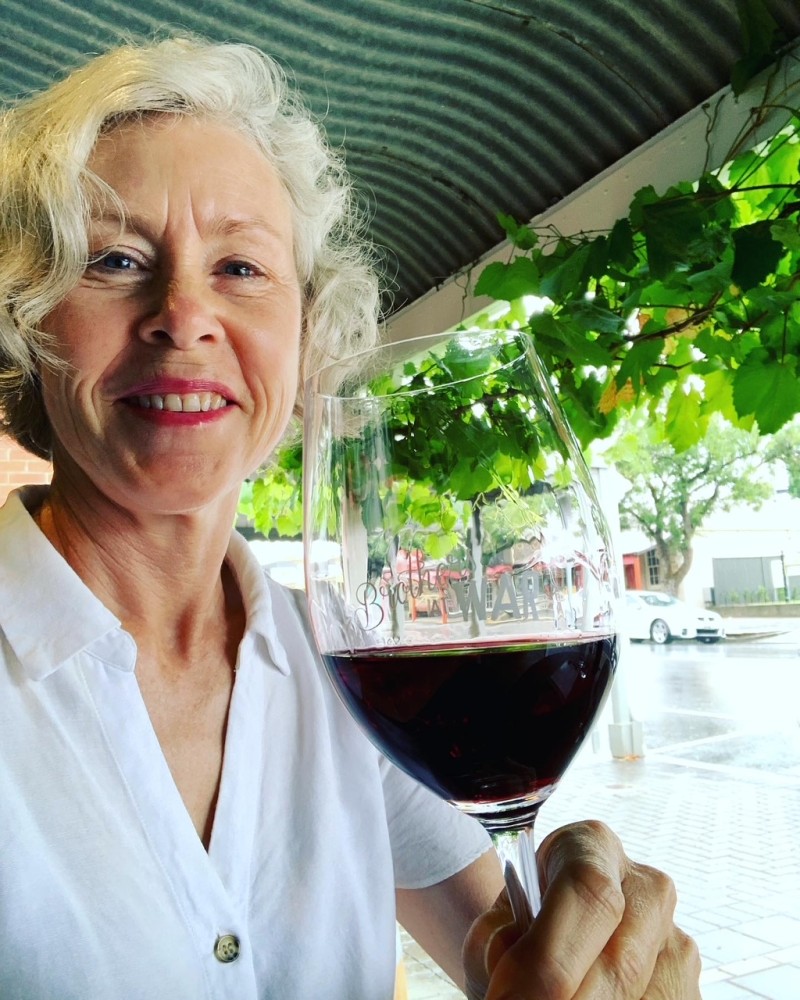
Dr. Allison Creed, Ph.D blends her expertise in language and learning to make wine communication and education engaging and accessible. As a Lecturer and Learning and Development Specialist at the University of Melbourne, she works with international teams, including researchers at the University of Amsterdam and Leiden University, to explore how metaphorical language can simplify complex wine concepts and tasting experiences. She is passionate about delivering evidence-based solutions that enhance wine education and language fluency.
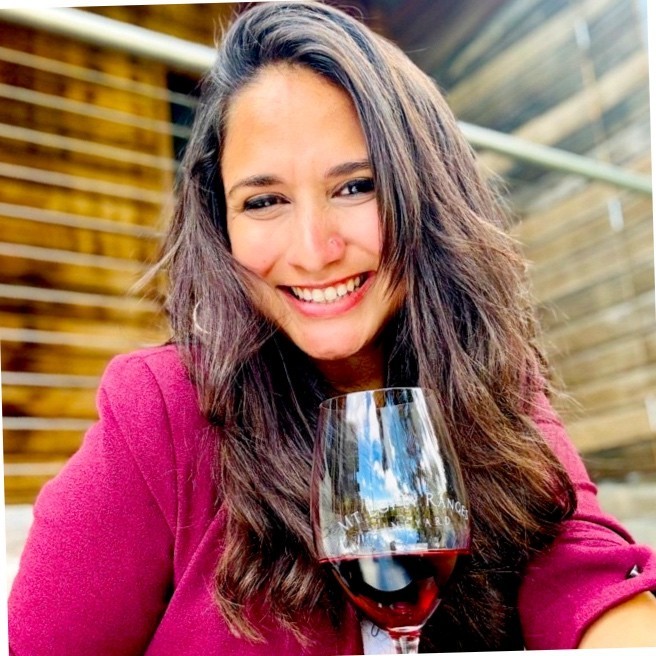
Priscilla Hennekam - Founder & Network Catalyst of Rethinking the Wine Industry.
Priscilla is the force behind Rethinking the Wine Industry—a global movement reimagining how the wine world thinks, learns, and connects. With a unique blend of industry expertise and bold creativity, she brings together professionals, thinkers, and disruptors to challenge tradition and spark change. From AI-powered conversations to global collaboration, Priscilla is shaping a new future for wine—one that’s curious, inclusive, and unafraid to rewrite the rules.
#RethinkingWine #NOLO #WineInnovation #FutureOfWine #WineIndustry #AlcoholFreeWine #CulturalShifts #Winebusiness #rethinkingthewineindustry