Nathalie Malbran
Released 15 July, 2025
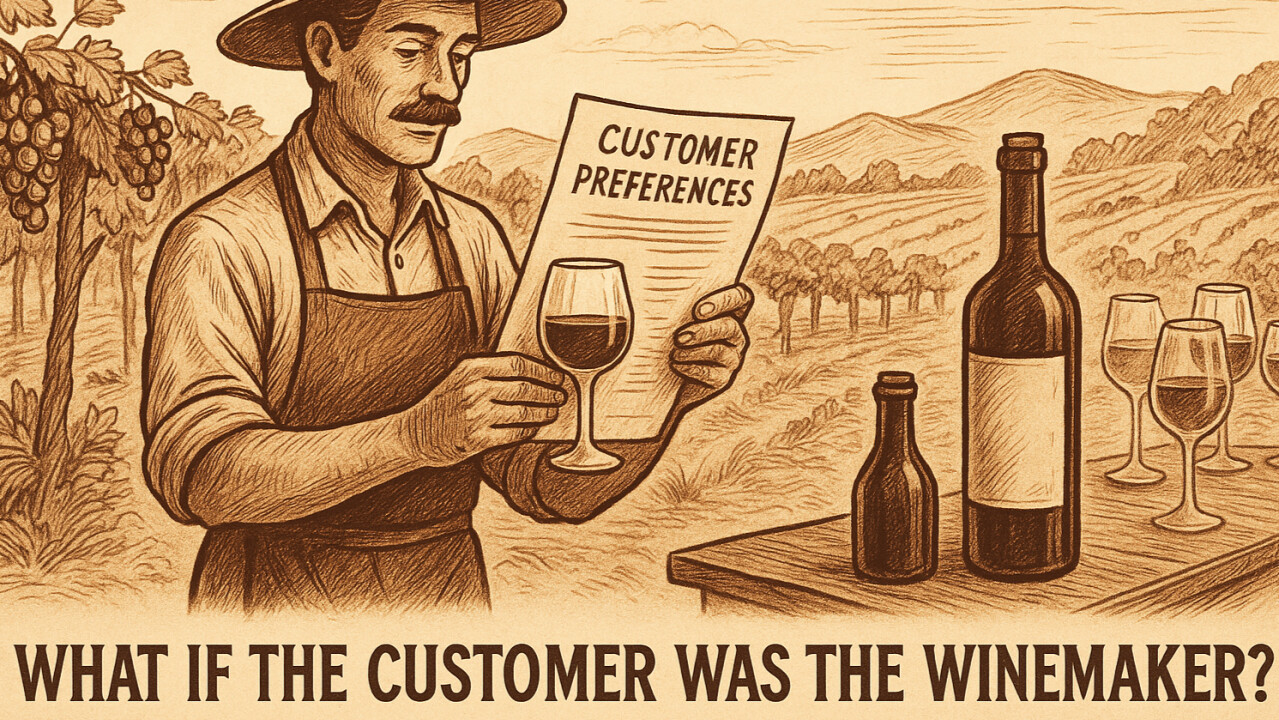
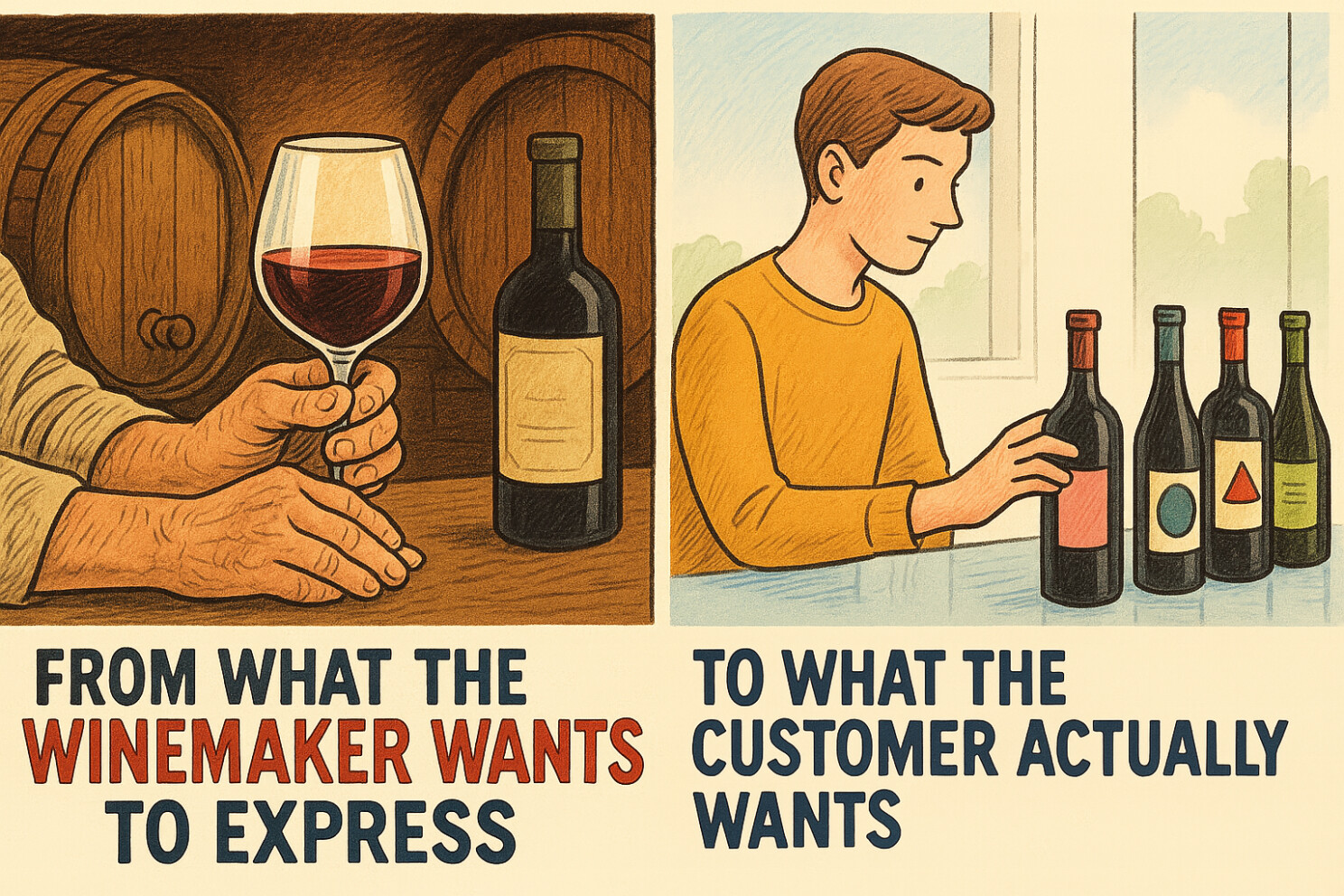
In the wine industry, we often talk about tradition, the heritage of winemaking, the craftsmanship, the terroir. But what happens when we shift the conversation from what the WINEMAKER WANTS to express to what the CUSTOMER ACTUALLY WANTS?
I spoke with Nathalie Malbran, who shared her experiences with us in this newsletter. Nathalie worked in a winery Chile, and in just five years, she grew sales from 30,000 cases to over 650,000 cases in China and across Asia. She and her team created a solid, scalable product, then adjusted the taste, the labels, the format, always staying true to their integrity while aligning with what the customer truly needed.
"Yes, different cultures taste the same wine differently. And no, there’s absolutely nothing wrong with that." - Nathalie Malbran
By the end of her journey, Nathalie had built a portfolio of over 80+ customers, 100+ brands, and more than 1,000 SKUs, all while maintaining profitability with net margins above 13%.
She faced the same resistance many of us encounter when challenging industry norms. She heard all the reasons why it couldn’t be done, why Asia wasn’t ready for a new winery, why it was too complex, too competitive. But Nathalie proved that putting the customer at the center, truly listening, and adapting to their needs wasn’t just possible; it was transformative.
I believe, just like Nathalie’s journey, this shift in thinking is crucial for the future of wine. It’s about making connections and evolving with the times. What if we stopped asking what the winemaker wants to express and started asking, what does the customer actually want? That’s how we stop making wine nobody’s asking for and start making wine that already has a market.
Rethinking Wine is a digital networking space where wine businesses, professionals, and prosumers (those who are both consumers and active contributors to the product or service) come together to learn faster, adapt smarter, and co-create the future of wine. It’s a place where the industry’s diverse voices meet, where tradition blends with innovation, passion fuels purpose, and collaboration solves tomorrow’s challenges.
We believe that the future of wine lies in collaboration. We’re still building this vision, and we need curious, creative, and collaborative people like you to help us shape what comes next.
If you’re ready to be part of this journey, add your email to the waitlist - www.rethinkingwine.app - Let’s co-create the future of wine, together.
What If the Customer Was the Winemaker?
This story begins with a visionary man, someone with a unique way of doing business and a deep drive to make things happen. He’s Chilean, and a few years ago, he was at a trade show in Japan selling a moss-based product used as orchid fertilizer. He had become the world’s leading producer in that niche.
Suddenly, a Chinese buyer approached him and asked, “Do you also sell wine?”
He paused - confused, surprised - and then answered: “Yes.”
They exchanged business cards. And just like that, the wild adventure of a small garage winery began.
Later that evening, from his hotel room, he called his team in Chile and said: “Find out how this works, we’re going into wine exports now.”
I joined the team in 2015. At that point, the company had produced around 30,000 cases since operations began.
For years, I heard it couldn’t be done…
“China is too complex.”
“There are already too many suppliers.”
“Asia isn’t ready for small, unfamiliar brands.”
“No one will trust a new winery from Chile.”
“You’ll never beat the big ones.”
“The market doesn’t want something different.”
And yet - five years later - we went from 30,000 to over 650,000 cases sold in China and across Asia. Not by being the biggest. Not by sticking to tradition. But by putting the customer at the center of everything. Thinking out of the box, and never thinking things couldn’t be done, just because we haven’t yet looked at it from the right angle.
I still remember my first trip to China, back in early 2016. My head exploded, in the best possible way. Meeting after meeting, I took notes on everything. Every question, every reaction, every tiny gesture. Who these potential clients were. What they valued. How they spoke about wine.
I didn’t speak Mandarin, but with a translator and a lot of empathy, I could read between the lines. Body language. Tone. Curiosity. Doubt. It was a human. That was enough.
And what they gave me was a gift**: perspective.** It wasn’t about terroir. It wasn’t about natural acidity or the freshness we obsess over in the wine industry. It was about how they felt when they drank it. The emotional experience. The storytelling. The packaging. The identity.
So, we adapted.
We developed a solid, scalable base product. And then, we shaped it around their expectations. We adjusted the taste. We redesigned the labels. We changed formats. Not by compromising quality, but by aligning it with relevance.
Yes, different cultures taste the same wine differently. And no, there’s absolutely nothing wrong with that.
In the end, we built a portfolio of over 80+ customers, 100+ brands, and more than 1,000 SKUs. And we did it profitably, with net margins over 13%.
So how did we avoid blowing up the production? How did we stay agile, lean and scalable?
The answer lies in a balance most companies overlook: Strategic, measured flexibility. Systems that bend, but don’t break. And most importantly, a team that understands this: We don’t work for products or number of cases. We work for people.
In 2018, a larger Chilean winery acquired us. And that’s when our method faced its greatest test.
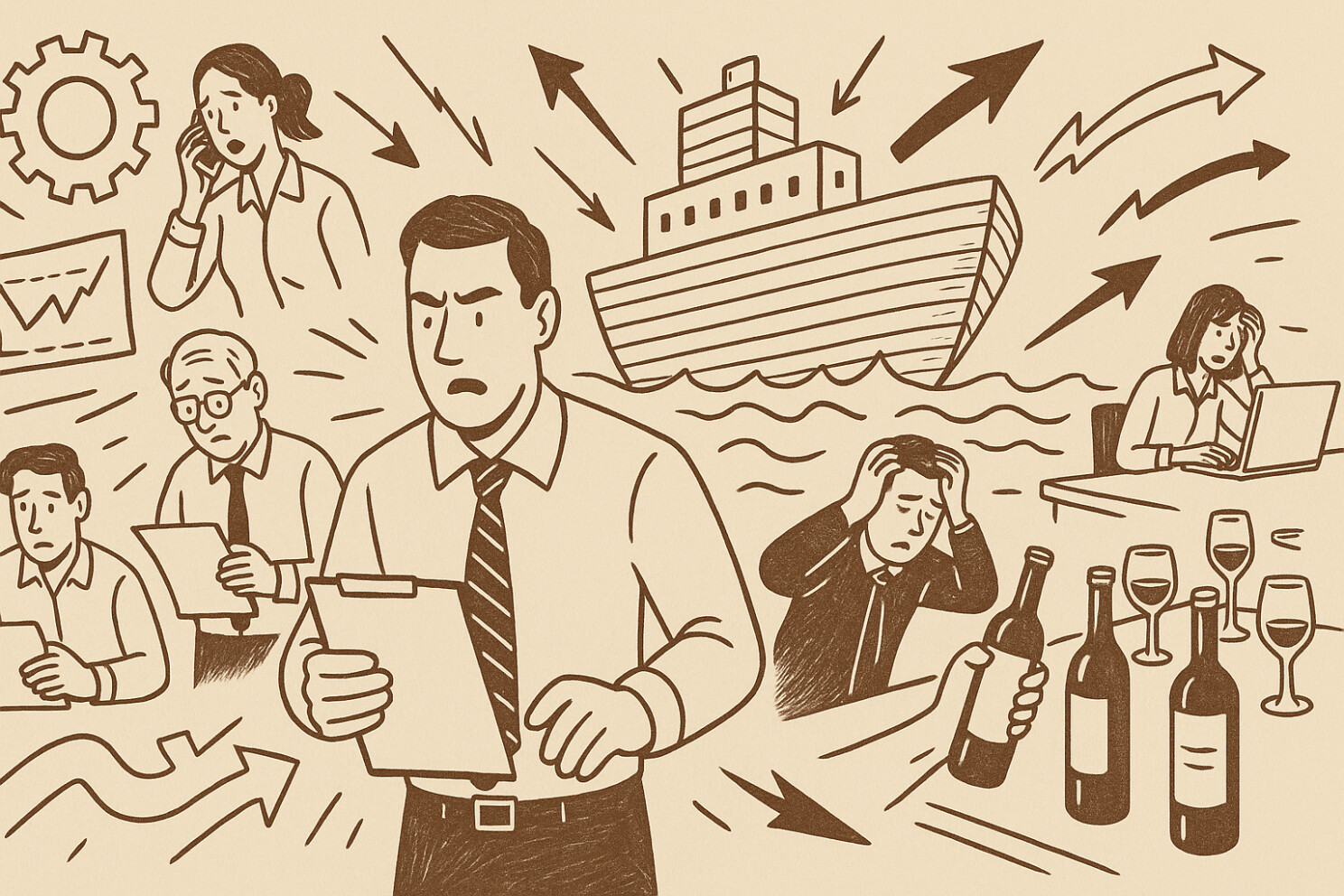
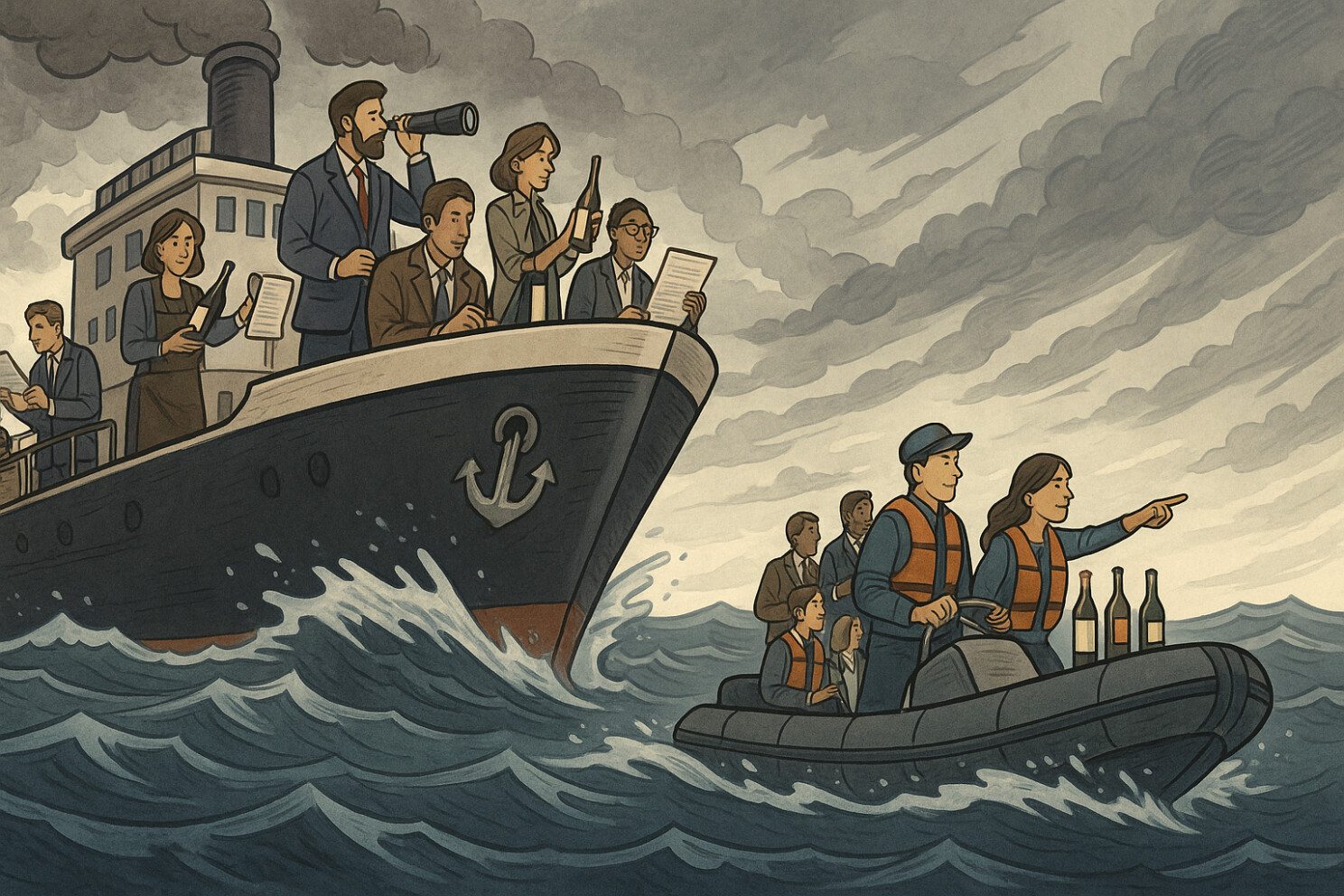
Could we apply the same approach inside a well-established, slow-moving organization? Could we turn a steel ship into a giant zodiac? Could we bring agility and empathy into a company built for mass production?
But what happens when KPIs aren’t aligned? When production focuses on yield, sales on volume, and marketing on aesthetics, but no one is accountable for client happiness?
Chaos.
And chaos leads to delays, broken promises, and disappointed clients.
We had to review everything. Every touchpoint. Every assumption. We had to shift the entire mindset, from pushing pallets to building relationships.
Because when the orchestra listens to the conductor, that’s when the music happens. And when a whole company aligns behind one truth, that the customer is who we all serve, remarkable things start to happen.
But even the most beautiful compositions need more than a few instruments in tune. For a symphony to truly move people, the conductor must not only know the melody, they must believe in it and feel it.
We moved that ship, sometimes alone, often against the current. And for a while, it worked. We saw transformation. A new culture took root. We became number one in major markets. But in the end, the vision wasn’t sustained.
Because customer-centricity is not a slogan or a trend. It’s a system. A mindset. A long-term commitment. It needs consistency. It needs real leadership. And above all, it needs perseverance.
This story doesn’t have a fairy-tale ending. Not because the model failed. But because belief in the model wasn’t strong enough to last.
In wine, tradition is sacred. But if we only speak to those who already know the rules, are we preserving culture, or building walls?
We call winemakers artists. And they are. But even Picasso didn’t paint the same way forever. Art evolves. Taste evolves. People evolve.
And really, how many people can buy a Picasso? Or even see one?
Most premium wines follow a strict recipe. Terroir, technique, timing, all tightly controlled. But what we can change is how we tell the story. And who we tell it to.
But here’s the real question: Do customers even care about our stories?
For nearly two decades, I’ve heard that Chile’s wine strategy is “premiumization.” But premium doesn’t build itself. You have to earn it, as a country, as a brand. I keep seeing the same faces rotating through the boardroom. Year after year. Different titles, same people.
But are they really bringing something new to the table?
Do they connect with the reality of some people, or anyone at all?
Do they even connect with reality? Because if leadership doesn’t evolve, how can the industry? If we keep having the same conversations, with the same people, from the same angle, how do we expect to see different results?
Not everyone can afford a $500 bottle. Not everyone cares about barrel toasts or ageing. Not everyone knows what to pick in the endless wine aisle at Costco.
But that doesn’t mean they don’t deserve wine.
Wine is from the earth. It comes from farmers. Families. Makers, not pop stars.
Some of the world’s greatest wines were created by humble people, not certified oenologists, but by those who inherited wisdom passed down through generations.
Let’s keep wine noble. But let’s also keep it real. We talk a lot about quality. But quality without relevance is just noise.
Why did we become number one in China with almost no marketing budget?
Because we held up a mirror. We created stories that reflected our customers, who they were, who they wanted to become. The story wasn’t about us. It was about them.
That’s what made people line up. That’s what made them buy.
Wine used to sit at the center of the table, family lunches, weekend gatherings, shared rituals. Today, it risks becoming intimidating. Overcoded. Unreachable.
But here’s the truth: Putting the customer at the center doesn’t mean turning wine into Coca-Cola. It means designing with empathy. Listening more than talking. And asking, not “how should wine be?” But: “what could wine be, for them?”
This shift doesn’t lower standards. It raises responsibility.
Maybe the question is no longer: “What does the winemaker want to express?” But rather: “What does the customer want to feel?”
That’s where the future of wine lives. Not just in the vineyard, but at the table.
Let’s rethink wine, together.
Meet the Author:
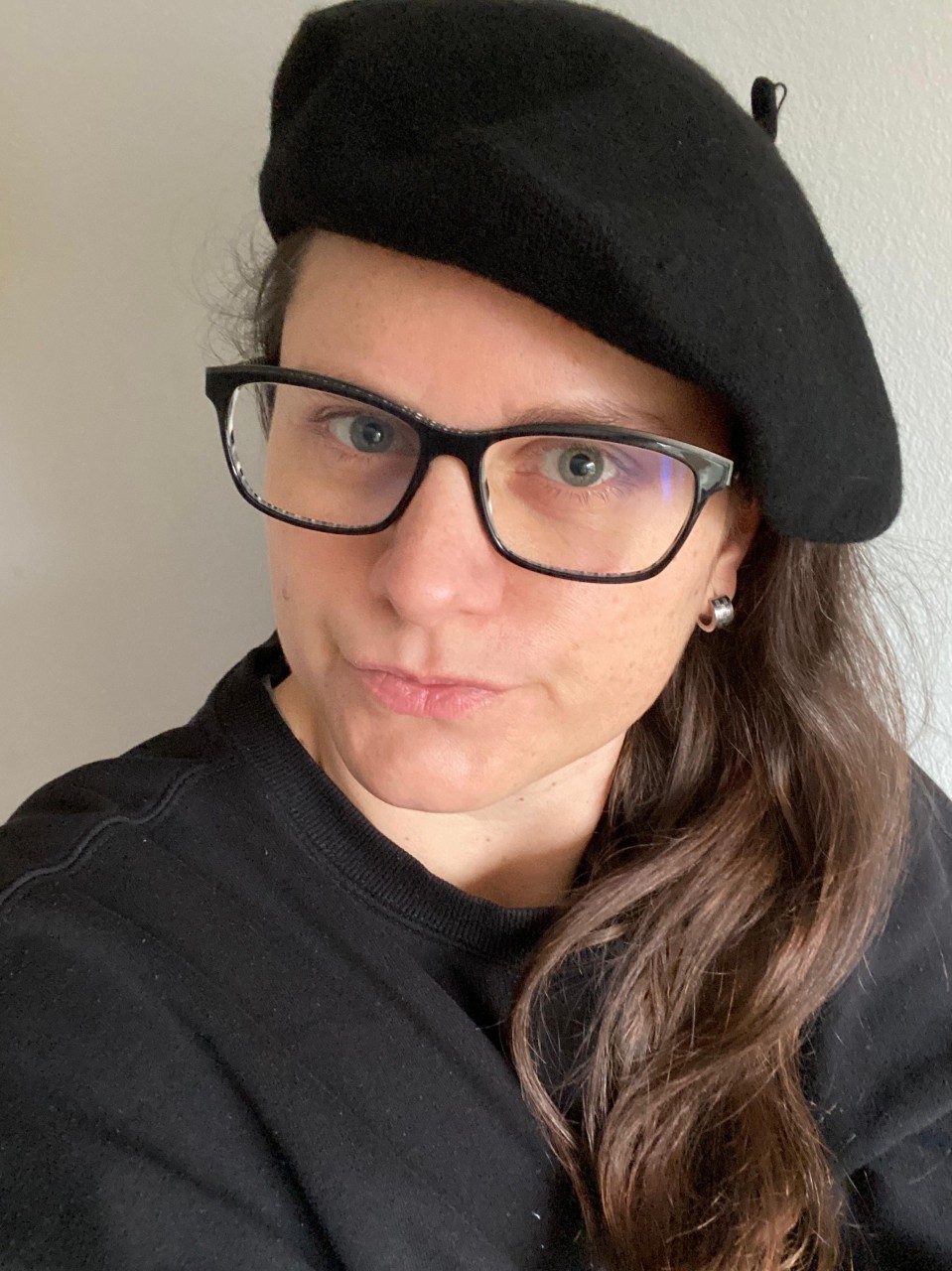
With over 20 years of experience in wine, sales, marketing, and global brand building, I’ve worked across Asia, Latin America, and Europe, helping bold ideas take shape and scale.
Today, I’m building @LadiesInWine, the world’s largest network of women connected through wine, celebrating talent, stories, and leadership in every bottle.
I’m a creative soul with a restless mind, constantly questioning how things are done and how they could be done better. I’ve led teams and companies, built brands from scratch, and broken more than a few rules along the way. I believe in people-first business, in long-term vision, and in daring to dream out loud.
Wine is my language. Connection is my mission. Reinvention is my rhythm.