Mike Carter
Released 21 Jan, 2025
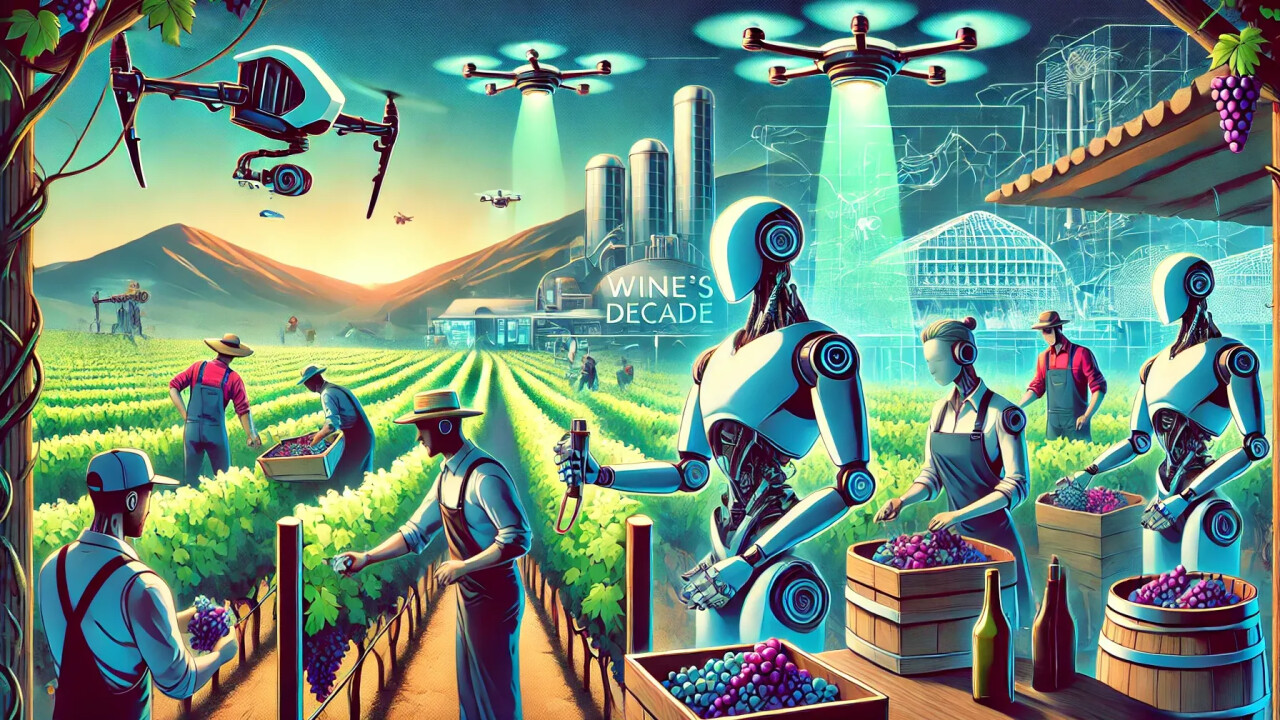
I’m thrilled to share another thought-provoking article by Mike Carter MBA: Wine’s Dynamic Decade: A Futurist’s Guide to 2025’s Top Trends, Innovations, and Emerging Technologies. This piece dives deep into the forces shaping the wine industry over the next decade, offering valuable insights and a forward-thinking perspective.
Guided by the wisdom of Seth Godin—“Long-term thinking leads to short-term success”—Mike takes us beyond the immediate to explore how technology, sustainability, and shifting consumer preferences are transforming wine’s future. From AI in the vineyard to the rise of non-alcoholic alternatives, this guide is your strategic compass for navigating wine’s evolving landscape.
The pace of change is accelerating—innovations that once took decades now happen in just a few years. Mike rightly observes that the wine industry is inherently slow—vines take years to mature, winemaking takes time, and aging is, by definition, a waiting game. So how can an industry built on patience adapt to a world where everything, including consumer desires, evolves so rapidly?
We must craft wines with one eye on the future. Today’s oversupply could lead to tomorrow’s undersupply if vines are hastily uprooted. Will you seize the opportunity or scramble to replant with everyone else?
The key is foresight: understanding what’s ahead, making deliberate choices, and acting decisively. This article explores the future—some ideas may feel familiar, others fresh and challenging. Let’s question assumptions, scrutinize possibilities, and critically assess what they mean for our businesses.
Let’s start plan the future and dive into these exciting opportunities together!
Thank you for joining the Rethinking the Wine Industry movement, where we’re bringing all the wine world’s changemakers and disruptors together, to unite our voices and create a better future for wine.
Our new platform is launching this year! Check out what we’re building and register your email to secure your spot to be part of the discussion from Day One.
Click here: www.rethinkingwine.app
Wine’s Dynamic Decade: A Futurist’s Guide to 2025’s Top Trends, Innovations, and Emerging Technologies.
“Long-term thinking leads to short-term success” —Seth Godin, marketing guru.
In a world obsessed with quick wins, the wine industry demands a different perspective. Wine, by its very nature, is a long-term endeavour—from vineyard to bottle, from brand building to legacy creation. While most industry forecasts focus on the next 12 months, this guide maps out the transformative changes that will reshape wine businesses through 2035.
As your wine futurist, I’m looking beyond immediate trends to uncover the technological innovations, shifting consumer behaviours, and emerging opportunities that will define wine’s next decade. This isn’t just about future-proofing—it’s about gaining a competitive advantage today. Think of this as your strategic compass for navigating the intersection of tradition and innovation in this dynamic decade.
Let’s uncork the future together.
The Shifting Tides: Market Forces Reshaping Wine
The wine industry stands at a fascinating crossroads where traditional markets meet emerging consumer demands. While global wine consumption faces volume pressures, this challenge is sparking innovative thinking that could reshape the industry’s future. Forward-thinking producers are discovering that adaptation doesn’t mean compromise—it means opportunity.
A significant shift is occurring in how wine reaches consumers. The rise of smaller formats, particularly premium wines in cans and single-serve options, is responding to changing consumption patterns. This isn’t just about convenience; it’s about meeting consumers where they are, whether that’s at casual outdoor events or high-end restaurants expanding their by-the-glass programs.
Perhaps the most intriguing development is the industry’s response to the ‘sober curious’ movement. As AI and advanced production techniques evolve, we’re seeing the emergence of sophisticated non-alcoholic alternatives that capture wine’s complexity and ritual. These aren’t mere substitutes but are becoming a category in their own right, attracting both traditional wine enthusiasts looking to moderate their consumption and new consumers who might never have entered the wine category otherwise.
This evolution reflects a broader trend: successful growth in the wine industry is increasingly about adaptation and expansion rather than just protecting traditional territories. The market is no longer just about what’s in the bottle—it’s about how that bottle (or can, or box) fits into consumers’ evolving lifestyles.
The relationship between wine and health is becoming an increasingly prominent issue. With growing regulatory scrutiny and changing consumer attitudes toward alcohol consumption, the wine industry faces potential new challenges. While the long-term implications remain unclear, the industry should stay proactive in addressing health concerns while maintaining its cultural and gastronomic significance. This delicate balance will likely shape market dynamics in the coming years.
Read more: A Manifesto for Wine’s Next Renaissance: Where Tradition Meets Tomorrow’s Innovation.

Digital Terroir: Technology’s Impact on Wine’s Future
The following quote by McKinsey is spot-on and encapsulates the shift in thinking that’s necessary for businesses to thrive in today’s landscape.
“Today, you need a technology-led business strategy, not a business strategy supported by technology.”
The old model, where businesses view technology as a tool to support their strategy, just isn’t going to cut it anymore. Today, technology must be woven into the fabric of business strategy. And it’s not just about adopting technology for the sake of it; it’s about really understanding how technology can be used to drive innovation, efficiency, and a better customer experience.
The wine industry is experiencing a technological renaissance, embracing this new paradigm across its entire value chain. This transformation touches every aspect of the industry, from vineyard to glass.
In the vineyard, AI and machine learning are revolutionising how we grow grapes. Predictive analytics helps winemakers make more informed decisions about irrigation, pest control, and harvest timing. Drones and sensors monitor vine health in real time, allowing for precise interventions that save time and resources and ultimately improve wine quality.
Authentication technology is proving particularly transformative in combating wine fraud, a $65 billion problem that undermines consumer trust. Blockchain and smart labels are making it possible to track a wine’s journey from vineyard to consumer, ensuring authenticity while telling the wine’s story—something increasingly important to today’s discerning wine enthusiasts.
Yet perhaps the most exciting developments are happening in how technology enhances the consumer experience. From augmented reality labels that bring wine stories to life to AI-powered recommendation systems that help consumers discover new wines matching their preferences, technology is making wine more accessible and engaging than ever before.
However, this technological revolution isn’t about replacing human expertise—it’s about enhancing it. The most successful wineries are those that blend traditional winemaking wisdom with technological innovation, creating experiences that are both authentic and forward-thinking.
The Green Grape Revolution: Sustainability’s Rising Influence
The wine industry is experiencing a remarkable transformation in sustainability that resembles a modern-day gold rush. The numbers tell a compelling story: the global organic wine market, valued at $10.80 billion in 2023, is projected to reach $21.48 billion by 2030. Even more striking is the surge in sales volume—from 29 million cases in 2012 to 71 million cases in 2022, a staggering 145% increase.
But this isn’t just about numbers. Today’s wine consumers, particularly millennials, are driving fundamental changes in how wine is produced and marketed. They’re increasingly concerned about pesticide use and artificial additives, pushing the industry toward more sustainable practices. For these consumers, each wine purchase is a statement about their values—a vote for both personal and planetary health.
The industry is responding with innovations in minimal-intervention winemaking, creating wines that not only respect the environment but also offer unique flavour profiles. Forward-thinking wineries are discovering that sustainable practices can enhance both wine quality and brand value. From organic farming to regenerative agriculture, these approaches are proving that environmental responsibility and commercial success can go hand in hand.
What’s particularly exciting is how sustainability is reshaping the entire wine value chain. Wineries are rethinking everything from vineyard management to packaging, energy use, and water conservation. This holistic approach is creating wines that tell a story of environmental stewardship while delivering authentic, terroir-driven experiences.

Generation Wine: How New Consumers Are Transforming Traditions
Generation Z is set to become the most influential consumer force in history. By 2030, this demographic will represent 23.2% of the global population—1.6 billion consumers wielding an estimated $12 trillion in spending power. Nielsen IQ’s data shatters the myth of Gen Z being the “broke generation,” revealing instead that their per capita spending will outpace previous generations when they reach age 25. This financial trajectory promises to reshape the wine industry’s future.
This generation’s relationship with wine transcends traditional consumption patterns. While global wine consumption faces volume pressures, Gen Z’s digital-first mindset and value-driven purchasing habits are forcing a fundamental rethinking of how wine brands connect with their audience.
Digital engagement is becoming the norm, with Gen Z expecting seamless interactions between physical and digital experiences. Smart labels with NFC technology and QR codes are transforming bottles into interactive storytelling platforms, providing instant access to information about origin, production methods, and food pairings. Augmented reality is taking this further, creating immersive experiences that bring wine stories to life.
But technology alone isn’t enough. This generation demands authenticity and transparency from brands. They’re more likely to support wines that align with their values, particularly around sustainability and social responsibility. This shift is especially significant given that nearly half of Gen Z is nonwhite, yet the wine industry has been slow to diversify its appeal and make itself more inclusive.
The traditional approach of marketing wine through quality designations and awards is giving way to more experiential and sensory-focused engagement. Gen Z gravitates toward unique flavours and visually appealing packaging, valuing the overall experience as much as the wine itself. Innovative formats like wine raves are emerging, making wine more approachable while maintaining its cultural significance.
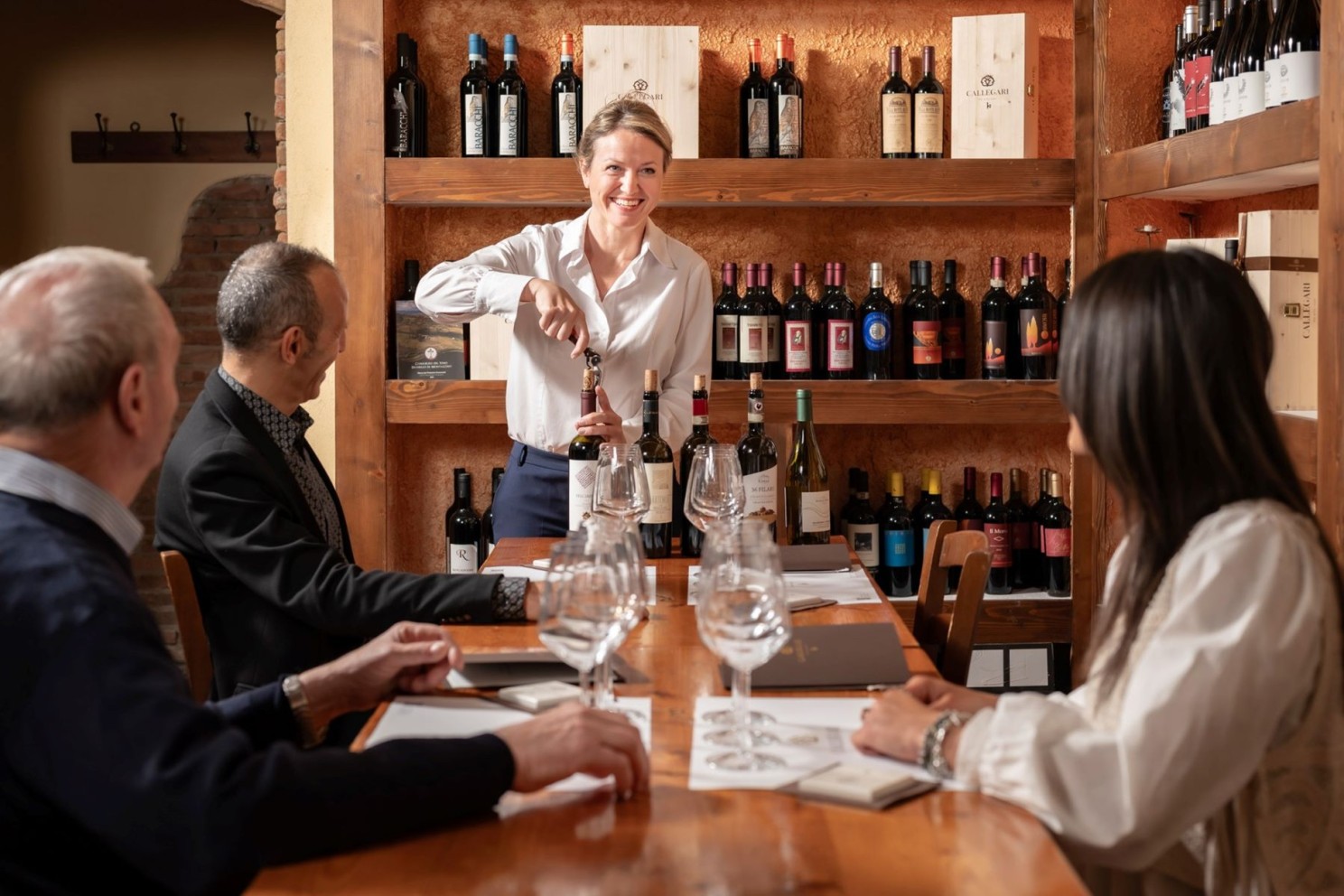
Grape Escapes: How Tourism is Redefining Wine Culture
Wine tourism has emerged as a powerhouse within the global travel industry, projected to reach USD 292.5 billion by 2033 with an impressive 13.1% annual growth rate. This surge reflects a fundamental shift in how consumers engage with wine, moving beyond traditional tastings to immersive, multisensory experiences.
The economic impact is transformative, with wine tourists spending 62% more than typical leisure travellers—averaging $340 per day. This increased spending isn’t just benefiting wineries; it’s creating a ripple effect throughout wine regions, supporting local businesses and preserving cultural heritage. For wineries, tourism has become an essential revenue stream, providing consistent income during traditionally slow seasons and building lasting customer relationships.
Technology is revolutionising the wine tourism experience. Virtual reality vineyard tours, interactive tasting experiences, and digital storytelling platforms are making wine more accessible and engaging. Yet the human element remains crucial—visitors seek authentic connections with winemakers and meaningful insights into wine production.
The future of wine tourism lies in creating personalised, meaningful experiences that resonate with modern travellers’ desires for authenticity, sustainability, and memorable encounters. As the sector continues to grow, it’s becoming clear that wine tourism isn’t just an add-on to wine production—it’s an essential ingredient in the industry’s recipe for long-term success.
Read how Claudia Callegari’s personal brand is shaping Tuscan wine.
Final Thoughts: Embracing Tomorrow’s Vintage
The wine industry stands at the threshold of its most transformative decade. The convergence of technological innovation, sustainability imperatives, changing consumer preferences, and evolving market dynamics presents both challenges and unprecedented opportunities. Success in this new era requires more than just adaptation—it demands anticipation and strategic foresight.
For wine businesses, the message is clear: embrace change while honouring tradition. The winners of tomorrow will be those who can navigate this delicate balance, using new tools and insights to enhance rather than replace what makes wine unique. Whether it’s leveraging technology to improve production, meeting sustainability demands, or creating innovative consumer experiences, the opportunities for growth and evolution are boundless.
The future of wine isn’t just about what’s in the bottle—it’s about the story we tell, the experiences we create, and the legacy we build. The time to start shaping that future is now.
Will you be part of wine’s next great chapter?

Mike Carter MBA, The Wine Wordsmith, is a visionary content entrepreneur based in Cape Town, South Africa. Creator of the newsletter “Winemakers On Fire”, Mike Carter MBA explores the harmony of wine, design, and creativity. As founder of The Wine Wordsmith, he crafts custom solutions for wineries and wine-related businesses. With an MBA from Bond University and extensive industry experience, including founding Veritas Consulting and directing sales at Paarl Labels, Mike has significantly impacted the wine sector. His thought leadership is showcased in publications like wine.co.za and Practical Winery & Vineyard. Driven by a passion for learning and problem-solving, Mike strives to make a positive impact in the wine industry.